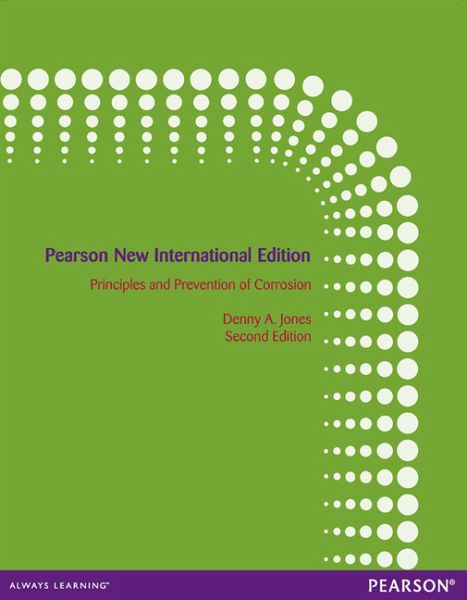
Principles and Prevention of Corrosion
Pearson New International Edition
Versandkostenfrei!
Versandfertig in 2-4 Wochen
128,99 €
inkl. MwSt.

PAYBACK Punkte
64 °P sammeln!

For a senior/graduate-level course in corrosion. Comprehensive in approach, this text explores the scientific principles and methods that underlie the cause, detection, measurement, and prevention of many metal corrosion problems in engineering practice. Most chapters progress from qualitative, descriptive sections (including methods of prevention and testing), to more quantitative sections (involving metallurgy and electrochemistry), and finally to sections on current research developments in the chapter topic.
Features + Benefits
considers all forms of general and localized corrosion.
discusses dissimilar metal corrosion.
considers effects of corrosion on abrasions, erosions, weldings, and metallurgical structures.
features an extensive set of reference photographs — up-to-date examples of recent, corrosion failures to help students recognize various forms of corrosion.
discusses how to prevent corrosion by alloy selection, cathodic protection, inhibition, and protective coatings and linings.
describes experimental electrochemical procedures for defining corrosion mechanisms and measuring corrosion rates.
discusses in detail the applications and limitations of polarization resistance and electrochemical impedance spectroscopy.
compares and contrasts the characteristics of stress corrosion, corrosion fatigue, and hydrogen-induced cracking, and describes testing by both conventional and modern fracture mechanics methods.
explains the economics of corrosion and prevention methods:
reviews the engineering selection of alloys for corrosion resistance.
describes discounted cash flow methods for economic analysis of corrosion prevention methods.
highlights alloy compositions on endpapers for convenient reference.
1. The Technology and Evaluation of Corrosion.
2. Electrochemical Thermodynamics and Electrode Potential.
3. Electrochemical Kinetics of Corrosion.
4. Passivity.
5. Polarization Methods to Measure Corrosion Rate.
6. Galvanic and Concentration Cell Corrosion.
7. Pitting and Crevice Corrosion.
8. Environmentally Induced Cracking.
9. Effects of Metallurgical Structure on Corrosion.
10. Corrosion-Related Damage by Hydrogen, Erosion, and Wear.
11. Corrosion in Selected Corrosive Environments.
12. Atmospheric Corrosion and Elevated Temperature Oxidation.
13. Cathodic Protection.
14. Coatings and Inhibitors.
15. Materials Selection and Design.
Index.
Features + Benefits
considers all forms of general and localized corrosion.
discusses dissimilar metal corrosion.
considers effects of corrosion on abrasions, erosions, weldings, and metallurgical structures.
features an extensive set of reference photographs — up-to-date examples of recent, corrosion failures to help students recognize various forms of corrosion.
discusses how to prevent corrosion by alloy selection, cathodic protection, inhibition, and protective coatings and linings.
describes experimental electrochemical procedures for defining corrosion mechanisms and measuring corrosion rates.
discusses in detail the applications and limitations of polarization resistance and electrochemical impedance spectroscopy.
compares and contrasts the characteristics of stress corrosion, corrosion fatigue, and hydrogen-induced cracking, and describes testing by both conventional and modern fracture mechanics methods.
explains the economics of corrosion and prevention methods:
reviews the engineering selection of alloys for corrosion resistance.
describes discounted cash flow methods for economic analysis of corrosion prevention methods.
highlights alloy compositions on endpapers for convenient reference.
1. The Technology and Evaluation of Corrosion.
2. Electrochemical Thermodynamics and Electrode Potential.
3. Electrochemical Kinetics of Corrosion.
4. Passivity.
5. Polarization Methods to Measure Corrosion Rate.
6. Galvanic and Concentration Cell Corrosion.
7. Pitting and Crevice Corrosion.
8. Environmentally Induced Cracking.
9. Effects of Metallurgical Structure on Corrosion.
10. Corrosion-Related Damage by Hydrogen, Erosion, and Wear.
11. Corrosion in Selected Corrosive Environments.
12. Atmospheric Corrosion and Elevated Temperature Oxidation.
13. Cathodic Protection.
14. Coatings and Inhibitors.
15. Materials Selection and Design.
Index.
Dieser Artikel kann nur an eine deutsche Lieferadresse ausgeliefert werden.
Andere Kunden interessierten sich für