Nutritional and Therapeutic Roles of Nuts in Human Diseases
Nutritional and Therapeutic Roles of Nuts in Human Diseases
Versandkostenfrei!
Versandfertig in 6-10 Tagen
34,99 €
inkl. MwSt.

PAYBACK Punkte
17 °P sammeln!

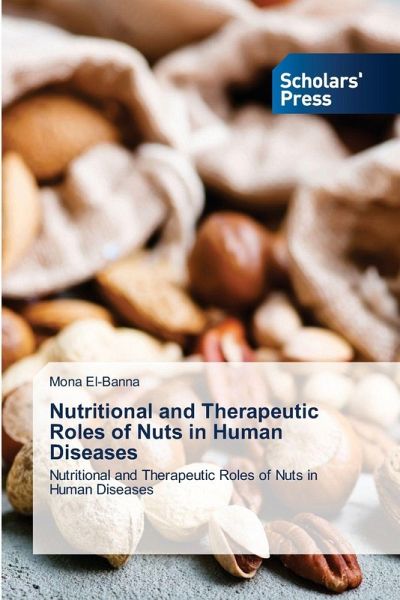
Nuts are nutrient-dense foods rich in unsaturated fatty acids, high-quality proteins, dietary fiber, vitamins, minerals, phytosterols, and bioactive polyphenols. Their unique composition contributes to cardiovascular protection, metabolic regulation, neuroprotection, and potential prevention of chronic diseases, including type 2 diabetes, non-alcoholic fatty liver disease (NAFLD), and cognitive decline. Epidemiological studies and randomized controlled trials consistently demonstrate that nut consumption improves lipid profiles, reduces oxidative stress, lowers inflammatory biomarkers, and sup...
Nuts are nutrient-dense foods rich in unsaturated fatty acids, high-quality proteins, dietary fiber, vitamins, minerals, phytosterols, and bioactive polyphenols. Their unique composition contributes to cardiovascular protection, metabolic regulation, neuroprotection, and potential prevention of chronic diseases, including type 2 diabetes, non-alcoholic fatty liver disease (NAFLD), and cognitive decline. Epidemiological studies and randomized controlled trials consistently demonstrate that nut consumption improves lipid profiles, reduces oxidative stress, lowers inflammatory biomarkers, and supports vascular function. Mechanistic insights suggest that nuts exert their effects through modulation of cholesterol metabolism, antioxidant pathways, anti-inflammatory signaling, gut microbiota regulation, and epigenetic mechanisms. Despite their high caloric density, nut intake has neutral or beneficial effects on body weight and metabolic health. Emerging evidence further supports their role in preserving brain function across the lifespan, from prenatal neurodevelopment to healthy aging.
Andere Kunden interessierten sich für