Gutscheinbedingungen

**Gültig bis 10.06.2026 / Gültig für gebrauchte Bücher / Mindestbestellwert 20,00 € / Einzelne Artikel können ausgeschlossen sein / Online auf www.bücher.de.de / Nicht kombinierbar mit anderen Gutscheinen oder Preisaktionen / Nur einmal pro Einkauf einlösbar / Gutschein wird auf max. 500€ Bestellwert angerechnet / Keine Barauszahlung / Nicht gültig für Versandkosten und Services

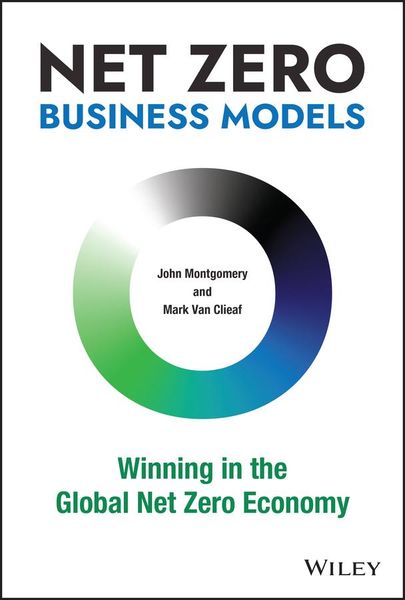
Produktbild: Net Zero Business Models

Net Zero Business Models Winning in the Global Net Zero Economy

26,99 €

inkl. gesetzl. MwSt., Versandkostenfrei

Lieferung nach Hause

Beschreibung

Produktdetails

Einband

Gebundene Ausgabe

Erscheinungsdatum

01.02.2023

Verlag

John Wiley & Sons Inc

Seitenzahl

416

Maße (L/B/H)

23,2/15,9/2,9 cm

Gewicht

604 g

Auflage

1. Auflage

Sprache

Englisch

ISBN

978-1-119-89506-0

Beschreibung

Produktdetails

Einband

Gebundene Ausgabe

Erscheinungsdatum

01.02.2023

Verlag

John Wiley & Sons Inc

Seitenzahl

416

Maße (L/B/H)

23,2/15,9/2,9 cm

Gewicht

604 g

Auflage

1. Auflage

Sprache

Englisch

ISBN

978-1-119-89506-0

Herstelleradresse

Libri GmbH
Europaallee 1
36244 Bad Hersfeld
DE

Email: gpsr@libri.de

Kundinnen und Kunden meinen

0 Bewertungen

Informationen zu Bewertungen

Zur Abgabe einer Bewertung ist eine Anmeldung im Konto notwendig. Die Authentizität der Bewertungen wird von uns nicht überprüft. Wir behalten uns vor, Bewertungstexte, die unseren Richtlinien widersprechen, entsprechend zu kürzen oder zu löschen.

Die Bewertungen sind nach Format, Anzahl Sterne und Datum sortiert.

Verfassen Sie die erste Bewertung zu diesem Artikel

Helfen Sie anderen Kund*innen durch Ihre Meinung

Kundinnen und Kunden meinen

0 Bewertungen filtern

Die Leseprobe wird geladen.
  • Produktbild: Net Zero Business Models
  • Table of Exhibits

    Table of Appendices

    Prologue

    Preface

    Introduction: How to Use This Book

    Part I: Setting the Context for Net Zero

    Chapter 1: The Net Zero Opportunity

    The Transformational Forces of Net Zero

    Managing the Transformational Forces of Net Zero in a VUCA World

    What Does "Net Zero" Mean?

    Going Beyond Net Zero

    What Does the Transition to a Net Zero Economy Look Like?

    The Net Zero Opportunity

    Summary: Where to Begin

    Part II: The Technical Foundations of Net Zero Business Models

    Chapter 2: An Overview of Greenhouse Gas Emissions

    What Are Scope 1, 2, and 3 Emissions?

    Developing a GHG Emissions Data Strategy

    What Are Scope 1 Emissions?

    What Are Scope 2 Emissions?

    What Are Scope 3 Emissions?

    Summary: Getting Started

    Chapter 3: Applying a Carbon Shock Test

    The $20 Trillion Problem

    Some Context for a Carbon Tax

    Scenario Planning for Carbon Taxes

    Summary: Have Good Processes

    Chapter 4: Science-Based Emissions-Reduction Targets

    The Four Objectives of the Net Zero Standard

    Generally Accepted GHG Accounting and Reporting Principles

    Five Steps to Set Science-Based Targets

    Science-Based Targets Unique to the Power Sector

    Science-Based Targets Unique to the Forest, Land, and Agriculture (FLAG) Sector

    Updating and Communicating Targets

    The Validation Process

    Summary: Science-Based Targets Are Not a Transition Plan

    Part III: The Four Pathways to Net Zero

    Chapter 5: The Four Pathways to Net Zero: An Introduction

    Eco-Efficiency Processes and Systems

    Summary

    Chapter 6: Pathway One: Eco-Efficiency

    Pathway One: Companies with Low Carbon Intensity Business Models

    Weyerhaeuser

    Microsoft Corporation

    Canada Goose Holdings, Inc.

    JAB

    Pathway One: Companies with High Carbon Intensity Business Models

    Exxon Mobil Corporation

    Characteristics of Pathway One

    Pathway One Risk Factors

    Critical Success Factors for Pathway One Companies

    Summary

    Chapter 7: Pathway Two, Option One: Incremental Transformation of the Business Model-Zero-Carbon Products and Services

    Re-engineering with a Focus on Zero-Carbon Products and Services

    Net Zero Transformation Strategies and Transition Plans

    Complete Transformation of the Existing Product and Services Portfolio to Zero Carbon

    Walmart, Inc.

    Nestlé

    Roll-Royce Holdings

    Summary

    Chapter 8: Pathway Two, Option Two: Complete Transformation of the Business Model

    Complete Transformation of the Business Model

    Ørsted

    Shell plc

    Vattenfall

    General Motors Company

    Characteristics of Pathway Two

    Pathway Two Risk Factors

    Critical Success Factors for Pathway Two Companies

    Summary

    Chapter 9: Pathway Three: Eco-Startups, New Ventures, Spinouts, and Industry Disruptors

    Climate Technology and Eco-Startups

    Innovation and Industry Disruptors

    About Disruption

    The Disruption Opportunity Matrix

    Ecolibri Srl

    NuScale Power Corporation

    Celsius Energy

    CarbonCure

    Universal Hydrogen Co. and ZeroAvia, Inc.

    Incremental Innovation versus Exponential Innovation

    Characteristics of Pathway Three

    Pathway Three Risk Factors

    Critical Success Factors for Pathway Three Companies

    Summary

    Chapter 10: Pathway Four: Industry Ecosystem(s) Transformers

    The Four Stages of Industry Ecosystem(s) Transformation

    The Transformation of the Automobile Industry

    Tesla the Disruptor

    Tesla: A Pathway Four Industry Ecosystem(s) Transformation Leader

    The Rise of Electric Vehicles

    Tesla's Business Model

    Characteristics of Pathway Four

    Pathway Four Risk Factors

    Critical Success Factors for Leading an Industry Transformation

    Summary

    Part IV: Implementing a Pathway to Net Zero

    Chapter 11: A Foundational Framework to Choose a Pathway

    The Innovation and Return on Capital Life Cycle

    Value Quadrant 1: The High-Innovation/Early-Growth Stage

    Value Quadrant 2: The High-Performance/Competitive-Fade Stage

    Value Quadrant 3: The Mature/Cash Cow Stage

    Value Quadrant 4: The Failing Business Model Stage

    How the Innovation and Return on Capital Life Cycle Effects Valuation

    The Four Domains of Carbon Intensity, the Innovation and Return on Capital Life Cycle, and Valuation

    Summary: Have Good Processes to Preserve and Grow Shareholder Value

    Chapter 12: Preparing to Lead the Transformation: Key Elements of Successful Transformations

    The Three Types of Change

    Hearing the Call

    Preparing to Lead to Net Zero

    Startup and Staff

    Create the Case for Net Zero

    Assess and Build the Organization

    Build Leadership Capacity to Change

    Have Clear Roles

    Designate an Executive Sponsor

    Establish a Parallel Governance Structure

    Designate a Net Zero Leader

    Appoint Individual Net Zero Process Leaders

    Use Experts as Needed

    Align Incentive Compensation with Achieving Net Zero

    Have Adequate Financial Resources to Get to Net Zero

    Have a Flexible Plan

    Meet People's Psychological Needs

    Launching the Transformation

    Summary

    Chapter 13: The Three Domains of Systems Thinking

    The Operations Domain

    The Business Systems Domain

    The Global Systems Domain

    Cultivating Systems-Thinking Capacity for the Transition to Net Zero

    Domains of Systems Thinking for the Pathways to Net Zero

    Systems Thinking Meets Electric Vehicles and Gray Electrons

    Systems Thinking and the Electric Power Sector-the Foundation to the Net Zero Economy

    Systems Thinking and the Development of the Smart Grid

    Systems Thinking and the Double Transformation of the Grid

    Systems Thinking, Smart Grids, and Green Hydrogen

    Summary

    Chapter 14: Telling the Net Zero Story

    Companies Need Good Data to Tell Their Net Zero Stories

    The Board of Directors' Role in Telling the Net Zero Story

    Investors Expect Comprehensive and Credible Net Zero Stories

    The Evolution of Voluntary ESG and Climate-Related Disclosure-the Alphabet Soup

    The Consolidation of Voluntary Climate-Related Disclosure into Universal Standards

    The Evolution of Mandatory Climate-Related Disclosure

    Telling the Net Zero Story Before the Implementation of Mandatory Climate-Related Disclosures

    Other Key Roles for Disclosure Process Development

    Summary

    Chapter 15: Obstacles to Net Zero

    Mental Obstacles

    Greenwashing

    Hidden Obstacles

    Fossil Fuels and the Developing World

    Fickle Political Support

    Summary

    Part V: Beyond Net Zero: Systems Change

    Chapter 16: Epilogue: Toward a Net Zero Civilization

    The Shift to Stakeholder Capitalism

    The Infrastructure of Stakeholder Capitalism and Systems Change

    Benefit Corporation Governance

    MultiCapital Accounting

    Doughnut Economics

    Heart-Based Leadership

    Conclusion

    Acknowledgments