

Mr. Dooley Says
Exploring Social Commentary through Satire and Humor
Versandkostenfrei!
Versandfertig in 1-2 Wochen
21,00 €
inkl. MwSt.
Weitere Ausgaben:

PAYBACK Punkte
0 °P sammeln!

"Mr. Dooley Says" by Finley Peter Dunne is a collection of satirical essays that delve into various social, political, and cultural issues of the early 20th century. Through the character of Mr. Dooley, an Irish-American bartender, Dunne offers humorous yet insightful commentary on topics such as divorce, women's suffrage, bachelorhood, racial dynamics, and financial panics. Each essay is a conversation between Mr. Dooley and his friend Mr. Hennessy, where Dooley's wit and wisdom shine as he critiques societal norms and human behavior. In "Divorce," Mr. Dooley humorously discusses the complexi...
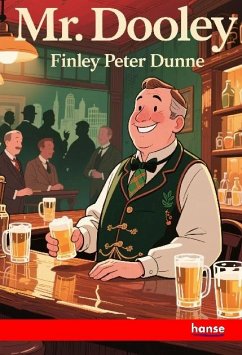
"Mr. Dooley Says" by Finley Peter Dunne is a collection of satirical essays that delve into various social, political, and cultural issues of the early 20th century. Through the character of Mr. Dooley, an Irish-American bartender, Dunne offers humorous yet insightful commentary on topics such as divorce, women's suffrage, bachelorhood, racial dynamics, and financial panics. Each essay is a conversation between Mr. Dooley and his friend Mr. Hennessy, where Dooley's wit and wisdom shine as he critiques societal norms and human behavior. In "Divorce," Mr. Dooley humorously discusses the complexities and absurdities of divorce laws across different states, highlighting the societal attitudes towards marriage and separation. "Woman Suffrage" addresses the struggle for women's voting rights, using satire to underscore the resistance and misconceptions faced by suffragettes. The essay on "The Bachelor Tax" humorously defends the lifestyle of bachelors against societal pressures to marry, while "The Rising of the Subject Races" explores racial tensions and the shifting power dynamics following the Russo-Japanese War. In "Panics," Mr. Dooley reflects on financial instability and the public's reaction to economic crises, emphasizing the role of trust and confidence in financial institutions. Through these essays, Dunne uses Mr. Dooley's character to provide a lens through which readers can examine the contradictions and challenges of their time, making complex issues accessible and engaging through humor and satire.