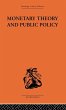

Monetary Theory and Public Policy
Versandkostenfrei!
Versandfertig in 1-2 Wochen
268,99 €
inkl. MwSt.
Weitere Ausgaben:

PAYBACK Punkte
134 °P sammeln!

Table of contents:1. Introduction: The Significance of Monetary Analysis and PolicyPART I2. The Internal Value of MoneyThe Quantity Theory of MoneyDeterminants of Transaction VariablesAn Evaluation of the Transaction TheoryThe Income-Flow Equation of ExchangeCash-Balance Equation of Exchange3. Creation and Destruction of MoneyCreation of Bank CreditMultiple Credit Expansion By The Banking SystemThe Destruction of Bank CreditThe Creation and Destruction of Money by the State4. The Theory of InflationConcept of the Inflationary GapInflation and Full EmploymentAnalysis of Inflationary PressuresEf...
Table of contents:
1. Introduction: The Significance of Monetary Analysis and Policy
PART I
2. The Internal Value of Money
The Quantity Theory of Money
Determinants of Transaction Variables
An Evaluation of the Transaction Theory
The Income-Flow Equation of Exchange
Cash-Balance Equation of Exchange
3. Creation and Destruction of Money
Creation of Bank Credit
Multiple Credit Expansion By The Banking System
The Destruction of Bank Credit
The Creation and Destruction of Money by the State
4. The Theory of Inflation
Concept of the Inflationary Gap
Inflation and Full Employment
Analysis of Inflationary Pressures
Effects of Inflation
Inflationary "Boom and Bust"
Inflation and Deflation
5. Anti-Inflation Policies
Monetary Measures
Fiscal Measures
Nonmonetary Measures
PART II
6. The Liquidity-Preference Theory
Liquidity-Preference
Liquidity-Preference Theory of Interest
The Interest Rate and Investment
7. Interest Policy and Full Employment
Rationale of the Low Interest Rate
Some Deterrents to Low-Interest Policy
8. Non-Keynesian Theories of Saving and Investment
Classical Savings-Investment Theory
Under consumption Theory
9. Aggregate Demand and National Income
Aggregate Demand and Employment
Concept of Gross National Product
10. The Consumption Function
Concepts of the Propensities to Consume and to Save
Some Relevant Implications of Keynes' Law
Factors Affecting the Consumption Function
11. Savings and Investment
Savings-Investment Equilibrium
Underemployment Equilibrium
Determinants of Investment
12. The Multiplier and Acceleration Theories
The Multiplier Theory
The Acceleration Theory
13. Secular Underemployment Equilibrium
Statement of the Problem
Factors of Secular Over saving
Factors of Secular Under investment
14. Measures to Promote Investment
Modification of the Corporate Income Tax
'Pump Priming'
'Compensatory Spending'
Wage Reduction
Credit Policy
The Reservoir Plan
15. Measures to Raise the Consumption Function
Income Redistribution
Wage Policy
Social Security
Easy Consumer Credit
Other Measures for a Higher Consumption Function
16. Epilogue on Full Employment
PART III
17. The External Value of Money
Stable Exchange Rates
Specie-Flow-Price Mechanism
Devaluation
18. The External Value of Money
The Purchasing Power Parity Theory
Basic Defects of the Parity Theory
The Balance-of-Payments Theory of Exchange Rates
The Manipulation of Exchange Rates
19. The International Monetary Fund
Keynes' Basic Proposals
The Fund and Exchange Rates
The Fund and Exchange Control
The Fund's Lending Operations
20. Monetary Sovereignty and International Equilibrium
The Specialization vs. Payment Approach
The Mechanism of International Spread of Depression
A 'Chronic Shortage of Dollars'
Principles and Instruments of Monetary Sovereignty
21. Foreign Investment, The World Bank, and Employment
Foreign Investment and Cyclical Unemployment
Foreign Investment and Secular Stagnation
Conclusions
Providing an extensive examination of monetary theory and its implications for public policy, Monetary Theory and Public Policy is as relevant for an understanding of current economic problems as when it was first published. Looking at the concepts of modern economic theory, particularly as these concepts apply to problems of money and banking, both Keynesian and Post-Keynesian developments are discussed.
Providing an extensive examination of monetary theory and its implications for public policy, this book is as relevant for an understaning of current economic problems as when it was first published.
1. Introduction: The Significance of Monetary Analysis and Policy
PART I
2. The Internal Value of Money
The Quantity Theory of Money
Determinants of Transaction Variables
An Evaluation of the Transaction Theory
The Income-Flow Equation of Exchange
Cash-Balance Equation of Exchange
3. Creation and Destruction of Money
Creation of Bank Credit
Multiple Credit Expansion By The Banking System
The Destruction of Bank Credit
The Creation and Destruction of Money by the State
4. The Theory of Inflation
Concept of the Inflationary Gap
Inflation and Full Employment
Analysis of Inflationary Pressures
Effects of Inflation
Inflationary "Boom and Bust"
Inflation and Deflation
5. Anti-Inflation Policies
Monetary Measures
Fiscal Measures
Nonmonetary Measures
PART II
6. The Liquidity-Preference Theory
Liquidity-Preference
Liquidity-Preference Theory of Interest
The Interest Rate and Investment
7. Interest Policy and Full Employment
Rationale of the Low Interest Rate
Some Deterrents to Low-Interest Policy
8. Non-Keynesian Theories of Saving and Investment
Classical Savings-Investment Theory
Under consumption Theory
9. Aggregate Demand and National Income
Aggregate Demand and Employment
Concept of Gross National Product
10. The Consumption Function
Concepts of the Propensities to Consume and to Save
Some Relevant Implications of Keynes' Law
Factors Affecting the Consumption Function
11. Savings and Investment
Savings-Investment Equilibrium
Underemployment Equilibrium
Determinants of Investment
12. The Multiplier and Acceleration Theories
The Multiplier Theory
The Acceleration Theory
13. Secular Underemployment Equilibrium
Statement of the Problem
Factors of Secular Over saving
Factors of Secular Under investment
14. Measures to Promote Investment
Modification of the Corporate Income Tax
'Pump Priming'
'Compensatory Spending'
Wage Reduction
Credit Policy
The Reservoir Plan
15. Measures to Raise the Consumption Function
Income Redistribution
Wage Policy
Social Security
Easy Consumer Credit
Other Measures for a Higher Consumption Function
16. Epilogue on Full Employment
PART III
17. The External Value of Money
Stable Exchange Rates
Specie-Flow-Price Mechanism
Devaluation
18. The External Value of Money
The Purchasing Power Parity Theory
Basic Defects of the Parity Theory
The Balance-of-Payments Theory of Exchange Rates
The Manipulation of Exchange Rates
19. The International Monetary Fund
Keynes' Basic Proposals
The Fund and Exchange Rates
The Fund and Exchange Control
The Fund's Lending Operations
20. Monetary Sovereignty and International Equilibrium
The Specialization vs. Payment Approach
The Mechanism of International Spread of Depression
A 'Chronic Shortage of Dollars'
Principles and Instruments of Monetary Sovereignty
21. Foreign Investment, The World Bank, and Employment
Foreign Investment and Cyclical Unemployment
Foreign Investment and Secular Stagnation
Conclusions
Providing an extensive examination of monetary theory and its implications for public policy, Monetary Theory and Public Policy is as relevant for an understanding of current economic problems as when it was first published. Looking at the concepts of modern economic theory, particularly as these concepts apply to problems of money and banking, both Keynesian and Post-Keynesian developments are discussed.
Providing an extensive examination of monetary theory and its implications for public policy, this book is as relevant for an understaning of current economic problems as when it was first published.
Andere Kunden interessierten sich für