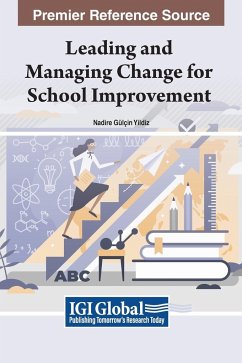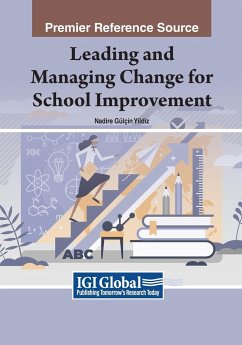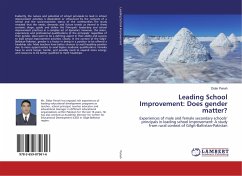
Leading School Improvement: Does gender matter?
Experiences of male and female secondary schools' principals in leading school Improvement: A study from rural context of Gilgit-Baltistan-Pakistan
Versandkostenfrei!
Versandfertig in 6-10 Tagen
33,99 €
inkl. MwSt.

PAYBACK Punkte
17 °P sammeln!

Evidently, the nature and potential of school principals to lead in school improvement activities is dependent or influenced by the contexts of a school and the socio-economic status of the communities. The study revealed that the needs, demands and future trends as viewed in these contexts shape, guide and define the Principals' leadership and school improvement practices in a complex set of dynamics. However, the vision, experiences and professional qualifications of the principals' regardless of their gender, does seem to be a defining aspect in their ability and success to lead school impr...
Evidently, the nature and potential of school principals to lead in school improvement activities is dependent or influenced by the contexts of a school and the socio-economic status of the communities. The study revealed that the needs, demands and future trends as viewed in these contexts shape, guide and define the Principals' leadership and school improvement practices in a complex set of dynamics. However, the vision, experiences and professional qualifications of the principals' regardless of their gender, does seem to be a defining aspect in their ability and success to lead school improvement activities. Clearly, in the context of the Gilgit-Baltistan-Pakistan, gender is a factor in being in a position to be offered a headship role. Male teachers have better chances to avail headship position due to more opportunities to avail higher academic qualifications. Females have to work longer, harder, and possibly need to expend more energy and resources to be better qualified to merit headships.
Andere Kunden interessierten sich für