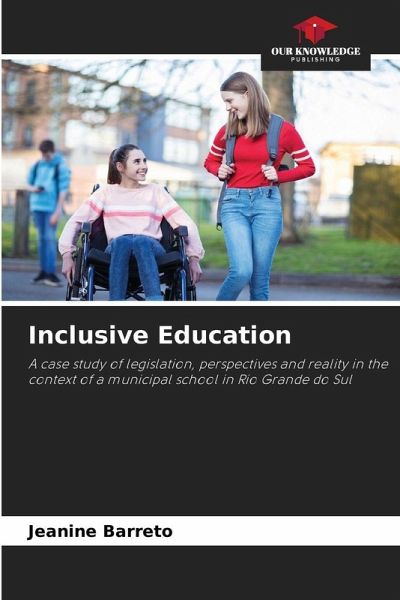
Inclusive Education
A case study of legislation, perspectives and reality in the context of a municipal school in Rio Grande do Sul
Versandkostenfrei!
Versandfertig in 6-10 Tagen
53,99 €
inkl. MwSt.

PAYBACK Punkte
27 °P sammeln!

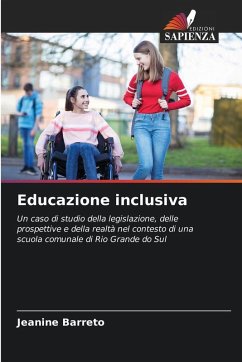
The study looks at Inclusive Education as a democratic model that promotes the joint learning of students with and without special educational needs in mainstream schools, respecting the pace and particularities of each individual. Worldwide legislation recognizes education as a fundamental right and imposes inclusion as a duty of institutions. To analyze the application of this legislation, the Santa Rita de Cássia Municipal School in Guaíba/RS was chosen because it values inclusion and because it lacks academic studies in the area. The main objective is to verify the school's effectiveness...
The study looks at Inclusive Education as a democratic model that promotes the joint learning of students with and without special educational needs in mainstream schools, respecting the pace and particularities of each individual. Worldwide legislation recognizes education as a fundamental right and imposes inclusion as a duty of institutions. To analyze the application of this legislation, the Santa Rita de Cássia Municipal School in Guaíba/RS was chosen because it values inclusion and because it lacks academic studies in the area. The main objective is to verify the school's effectiveness in complying with Brazilian legislation. The research is a qualitative, explanatory case study, using questionnaires applied to managers, teachers, parents and students, analyzing topics such as legal compliance, teacher training and the school community's perception of inclusion. The conclusion is that the school complies with the law, has trained teachers and that inclusion is well acceptedin human terms, but there are differences in terms of the impact on learning.
Andere Kunden interessierten sich für