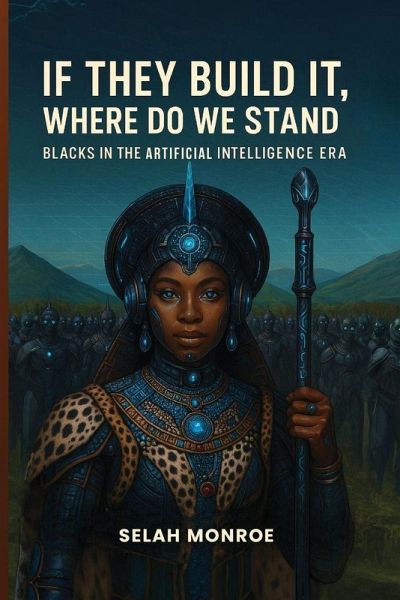
If They Build It, Where Do We Stand
Blacks In the Artificial Intelligence Era
Versandkostenfrei!
Versandfertig in 1-2 Wochen
70,99 €
inkl. MwSt.
Weitere Ausgaben:

PAYBACK Punkte
35 °P sammeln!

It's the modern world, the era of AI, things will be better for sure, thought the historically enslaved, crushed, and neglected Black community. Sadly... the vocabulary may have changed, the platforms may be digital, the tools may be smarter, but the old hierarchies remain. If They Build It, Where Do We Stand by Selah Monroe confronts an urgent question: Where do Black communities stand in a world being built by machines trained on bias? This book explores how AI that promises innovation risks deepening historical inequities. The author examines the biases embedded within algorithms, traces th...
It's the modern world, the era of AI, things will be better for sure, thought the historically enslaved, crushed, and neglected Black community. Sadly... the vocabulary may have changed, the platforms may be digital, the tools may be smarter, but the old hierarchies remain. If They Build It, Where Do We Stand by Selah Monroe confronts an urgent question: Where do Black communities stand in a world being built by machines trained on bias? This book explores how AI that promises innovation risks deepening historical inequities. The author examines the biases embedded within algorithms, traces the systemic inequalities shaping our digital future, and insists upon the necessity of inclusion and authorship in the age of intelligent machines. It sheds light on the bold vision of technological empowerment through Black-led AI initiatives, calling for new models of digital sovereignty, ownership, and justice. Through a fusion of history, data ethics, and Afrofuturist imagination, the book reframes artificial intelligence as both a threat and an opportunity for collective liberation. Bold, prophetic, and deeply necessary, this book is a warning and a vision, a call to claim authorship in the next great revolution. Because if we are not building the code, we risk being written out of it.
Andere Kunden interessierten sich für