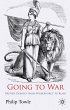


Going to War
British Debates from Wilberforce to Blair

PAYBACK Punkte
19 °P sammeln!

Britain has a culture which encourages interference overseas. It has been involved in more wars than most countries and founded many Non-Government Organisations. Going to War looks at how pressure groups, religious bodies, armchair strategists, science fiction writers, military officers, commentators and journalists have tried to influence public opinion, governments and Parliament to restrain or encourage overseas intervention. It shows how the old idea that the great majority were simple-minded enthusiasts for foreign incursions has been discredited by pollsters, and conlcudes with an analy...
Britain has a culture which encourages interference overseas. It has been involved in more wars than most countries and founded many Non-Government Organisations. Going to War looks at how pressure groups, religious bodies, armchair strategists, science fiction writers, military officers, commentators and journalists have tried to influence public opinion, governments and Parliament to restrain or encourage overseas intervention. It shows how the old idea that the great majority were simple-minded enthusiasts for foreign incursions has been discredited by pollsters, and conlcudes with an analysis of Britain's current involvement in Afghanistan and Iraq, suggesting ways in which the governmental system could be modified to reflect public opinion and avoid foreign incursions in future. An analysis of how the media, NGOs, Churches, military officers, Parliament, novelists, armchair strategists and public opinion have shaped British debates about going to war over the last 200 years
Andere Kunden interessierten sich für