Geriatric Orphans
A Study of Severe Isolation in an Elderly Population
Versandkostenfrei!
Versandfertig in 6-10 Tagen
39,99 €
inkl. MwSt.

PAYBACK Punkte
20 °P sammeln!

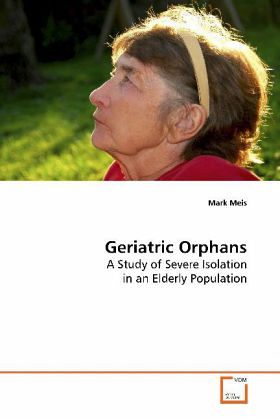
This study explores the question, How do severely isolated senior citizens experience their worlds? Within the United States, there is a group of elderly individuals I have termed geriatric orphans - people who do not have family or close associations to assist them with needed activities of daily living. The results show that isolated seniors have a higher incidence of loneliness and depression. As they grow older and more isolated, they seek new ways to develop and maintain some sort of meaning to their lives. The participants each developed patterns of behaviors to cope with losses - of spo...
This study explores the question, How do
severely isolated senior citizens experience their
worlds? Within the United States, there is a group
of elderly individuals I have termed geriatric
orphans - people who do not have family or close
associations to assist them with needed activities
of daily living. The results show that isolated
seniors have a higher incidence of loneliness and
depression. As they grow older and more isolated,
they seek new ways to develop and maintain some sort
of meaning to their lives. The participants each
developed patterns of behaviors to cope with losses -
of spouses, friends, relationships, and physical
abilities. Those who were still mobile enough to
leave their homes regularly were able to maintain
relationships. More often, the outside
relationships merely masked the loneliness and
feelings of inadequacy the participant would return
home to. The study found that those individuals who
were aging successfully were also those with the
best health. Most of the participants were
homebound, or totally dependent on others for
mobility.
severely isolated senior citizens experience their
worlds? Within the United States, there is a group
of elderly individuals I have termed geriatric
orphans - people who do not have family or close
associations to assist them with needed activities
of daily living. The results show that isolated
seniors have a higher incidence of loneliness and
depression. As they grow older and more isolated,
they seek new ways to develop and maintain some sort
of meaning to their lives. The participants each
developed patterns of behaviors to cope with losses -
of spouses, friends, relationships, and physical
abilities. Those who were still mobile enough to
leave their homes regularly were able to maintain
relationships. More often, the outside
relationships merely masked the loneliness and
feelings of inadequacy the participant would return
home to. The study found that those individuals who
were aging successfully were also those with the
best health. Most of the participants were
homebound, or totally dependent on others for
mobility.
Andere Kunden interessierten sich für