Four Masters of Etching
Versandkostenfrei!
Versandfertig in 1-2 Wochen
7,40 €
inkl. MwSt.
Weitere Ausgaben:

PAYBACK Punkte
0 °P sammeln!

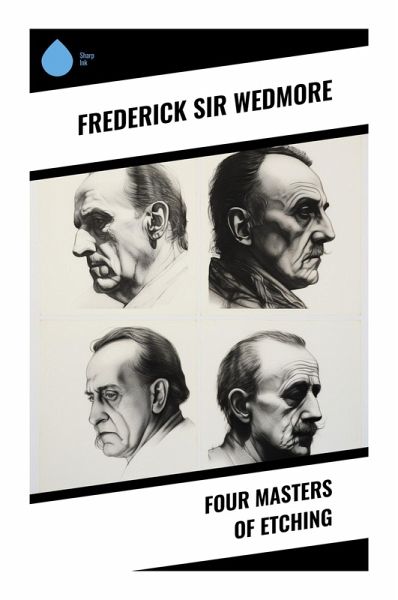
In "Four Masters of Etching," Frederick Sir Wedmore offers a profound exploration of the artistic legacies of four towering figures in the realm of etching: Rembrandt, Daumier, Whistler, and Meryon. Wedmore's literary style is characterized by a meticulous and engaging prose, interweaving detailed biographical sketches with a discerning analysis of their respective techniques and motivations. This work stands as an essential contribution to the literature of printmaking, situated within the broader context of 19th-century art criticism, reflecting a growing appreciation for graphic arts at a t...
In "Four Masters of Etching," Frederick Sir Wedmore offers a profound exploration of the artistic legacies of four towering figures in the realm of etching: Rembrandt, Daumier, Whistler, and Meryon. Wedmore's literary style is characterized by a meticulous and engaging prose, interweaving detailed biographical sketches with a discerning analysis of their respective techniques and motivations. This work stands as an essential contribution to the literature of printmaking, situated within the broader context of 19th-century art criticism, reflecting a growing appreciation for graphic arts at a time when etching was re-establishing itself as a respectable form of artistic expression. Frederick Sir Wedmore, a notable art critic and scholar, was influenced by his contemporaries and the burgeoning art movements of his time. His extensive background in art history, along with his own experiences as an artist, equipped him with a unique perspective on the intricate relationship between visual art and the written word. This book emerges from his desire to elevate the status of etchers, emphasizing their creative processes and the emotional depth behind their works. "Four Masters of Etching" is a compelling read for art historians, students, and enthusiasts alike. Wedmore's deft combination of biographical insight and technical analysis serves not only to deepen the reader's understanding of these masters but also to inspire a renewed appreciation for the nuanced art of etching itself.
Andere Kunden interessierten sich für