Fantomina
Versandkostenfrei!
Versandfertig in 1-2 Wochen
7,10 €
inkl. MwSt.
Weitere Ausgaben:

PAYBACK Punkte
0 °P sammeln!

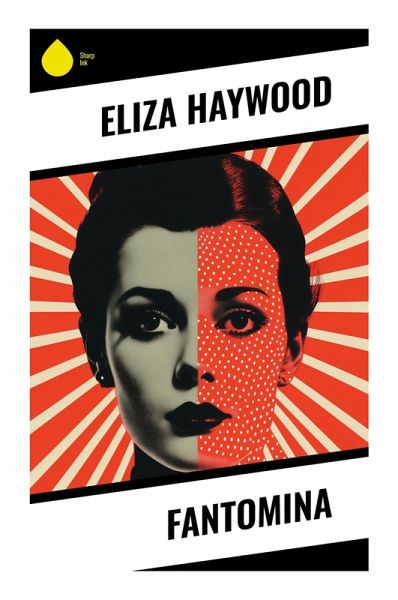
Eliza Haywood's "Fantomina" is a pioneering work of early 18th-century literature that intricately explores themes of female identity and sexual agency through its captivating narrative. The novella tells the story of a young woman who adopts multiple personas to seduce a man, allowing Haywood to address the complexities of gender and power dynamics within a patriarchal society. The prose is marked by its wit and psychological insight, reflecting the evolving literary context of the time, particularly the rise of sentimental fiction and concerns regarding women's roles in society. Haywood, an ...
Eliza Haywood's "Fantomina" is a pioneering work of early 18th-century literature that intricately explores themes of female identity and sexual agency through its captivating narrative. The novella tells the story of a young woman who adopts multiple personas to seduce a man, allowing Haywood to address the complexities of gender and power dynamics within a patriarchal society. The prose is marked by its wit and psychological insight, reflecting the evolving literary context of the time, particularly the rise of sentimental fiction and concerns regarding women's roles in society. Haywood, an influential figure in the development of the novel, was a writer and playwright who faced the constraints imposed on women in her era. Her firsthand experiences of the social limitations placed upon women may have significantly influenced her portrayal of female empowerment and subversion in "Fantomina." Despite the challenges she encountered in her career, Haywood's works often urged readers to reconsider societal norms, ultimately contributing to the feminist discourse in literature. I highly recommend "Fantomina" to readers interested in early feminist literature, as it challenges conventions and invites reflection on personal autonomy and societal expectations. Haywood's skillful narrative and innovative characterizations make this novella not only an engaging read but also a crucial text for understanding the evolution of women's literature.