Epithelial-Mesenchymal Transition
Versandkostenfrei!
Versandfertig in 6-10 Tagen
29,99 €
inkl. MwSt.

PAYBACK Punkte
15 °P sammeln!

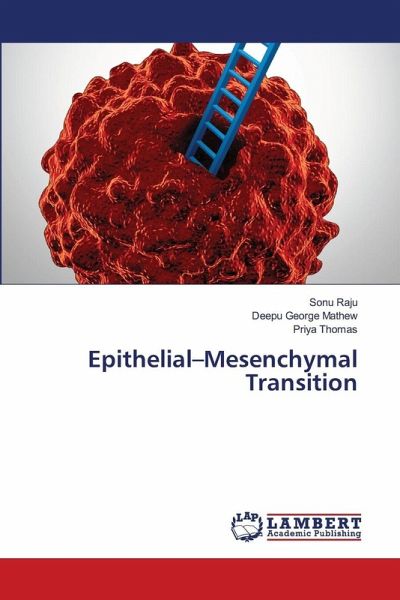
Epithelial-Mesenchymal Transition (EMT) represents a fundamental biological process in which epithelial cells lose their characteristic polarity, intercellular adhesion, and organized architecture, acquiring a mesenchymal phenotype characterized by enhanced motility, invasiveness, and resistance to apoptosis. This reversible cellular reprogramming event plays crucial roles in embryonic development, tissue regeneration, fibrosis, and cancer progression. Over the past few decades, EMT has emerged as a pivotal paradigm in cell biology and pathology, bridging developmental processes and disease me...
Epithelial-Mesenchymal Transition (EMT) represents a fundamental biological process in which epithelial cells lose their characteristic polarity, intercellular adhesion, and organized architecture, acquiring a mesenchymal phenotype characterized by enhanced motility, invasiveness, and resistance to apoptosis. This reversible cellular reprogramming event plays crucial roles in embryonic development, tissue regeneration, fibrosis, and cancer progression. Over the past few decades, EMT has emerged as a pivotal paradigm in cell biology and pathology, bridging developmental processes and disease mechanisms through the regulation of cellular plasticity. Understanding the molecular, cellular, and signaling dynamics of EMT has therefore become essential for comprehending a wide spectrum of physiological and pathological phenomena.In embryogenesis, EMT governs key morphogenetic events such as gastrulation, neural crest formation, and organ development. The transient and tightly regulated conversion of epithelial cells into migratory mesenchymal cells facilitates tissue remodeling and spatial patterning necessary for the formation of complex multicellular structures.
Andere Kunden interessierten sich für