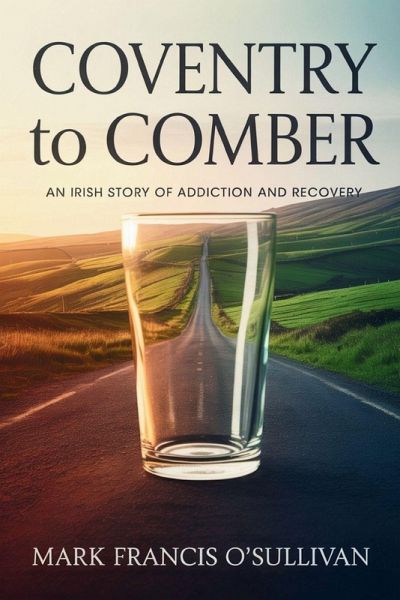
Coventry To Comber
An Irish Story Of Addiction And Recovery
Versandkostenfrei!
Versandfertig in 1-2 Wochen
26,99 €
inkl. MwSt.

PAYBACK Punkte
13 °P sammeln!

In 1990, at twenty-three years old, Mark Francis O'Sullivan was drinking himself toward an early grave. Vodka for breakfast, blackouts that erased entire weekends, and a growing certainty that if he didn't stop, alcohol would kill him. So he quit-cold turkey. No rehab, no Alcoholics Anonymous, no professional help. Just fear, isolation, and determination. That was thirty-five years ago. He hasn't had a drink since. Coventry to Comber is a raw, honest account of addiction and long-term recovery told from a working-class perspective rarely seen in traditional sobriety books. Born in Coventry to ...
In 1990, at twenty-three years old, Mark Francis O'Sullivan was drinking himself toward an early grave. Vodka for breakfast, blackouts that erased entire weekends, and a growing certainty that if he didn't stop, alcohol would kill him. So he quit-cold turkey. No rehab, no Alcoholics Anonymous, no professional help. Just fear, isolation, and determination. That was thirty-five years ago. He hasn't had a drink since. Coventry to Comber is a raw, honest account of addiction and long-term recovery told from a working-class perspective rarely seen in traditional sobriety books. Born in Coventry to Irish parents, O'Sullivan grew up feeling overwhelmed, out of step, and unable to explain why life felt harder for him than for others. Years later, he would discover the reason: undiagnosed autism and ADHD, and a brain that never switched off. Alcohol wasn't about pleasure-it was self-medication. This book follows his journey from chaotic drinking and lost potential through the hardest early days of sobriety and into the long, ongoing work of rebuilding a life without alcohol. It explores identity, shame, temptation, grief, and the challenge of staying sober in a culture where drinking is normal and expected. Each chapter blends lived experience with reflection and practical insight, offering tools readers can use whether they are newly sober, struggling after years without drink, or still trying to find the courage to stop. There are no slogans, no preaching, and no claim that there is only one right way to recover. This book is for those who never quite fitted the recovery mould-for people who tried AA and felt like outsiders, for neurodivergent readers who drank to cope with overload, and for anyone who knows their drinking can't continue but doesn't know where to begin. Coventry to Comber doesn't promise miracles. It offers something better: understanding, honesty, and proof that sobriety is possible-even when it doesn't feel like it.
Andere Kunden interessierten sich für