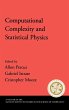

Computational Complexity and Statistical Physics

PAYBACK Punkte
125 °P sammeln!

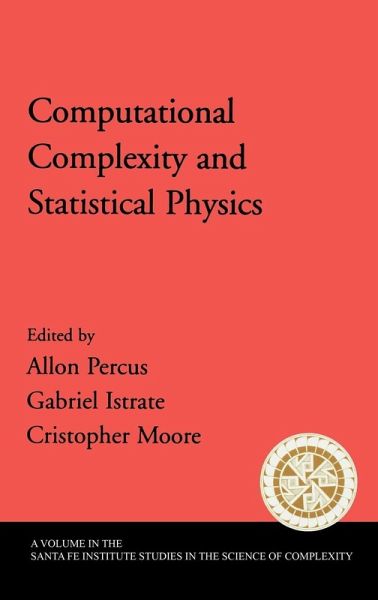
This Santa Fe Institute volume is intended to be a standard reference to statistical physics methods in computer science theory, particularly in relation to the study of phase transitions in combinatorial problems. It will contain both basic pedagogical material and technical tips and discussions to review the field from a broad perspective. The study of phase transitions in combinatorial problems originated about 50 years ago in work on random graphs by Eros and Renyi. During the past 10 years, there has been increasing appreciation of the relevance of phase transitions to algorithmic performance on computationally hard problems. Mathematicians, computer scientists and physicists have been working to develop the theoretical tools to understand the processes fundamental to computation. This book should appeal strongly to the interdisciplinary group of information scientists.
Computer science and physics have been closely linked since the birth of modern computing. In recent years, an interdisciplinary area has blossomed at the junction of these fields, connecting insights from statistical physics with basic computational challenges. Researchers have successfully applied techniques from the study of phase transitions to analyze NP-complete problems such as satisfiability and graph coloring. This is leading to a new understanding of the structure of these problems, and of how algorithms perform on them. Computational Complexity and Statistical Physics will serve as a standard reference and pedagogical aid to statistical physics methods in computer science, with a particular focus on phase transitions in combinatorial problems. Addressed to a broad range of readers, the book includes substantial background material along with current research by leading computer scientists, mathematicians, and physicists. It will prepare students and researchers from all of these fields to contribute to this exciting area.
Andere Kunden interessierten sich für