Biochar As Remediation Tools For Pollutant Removal
Versandkostenfrei!
Erscheint vorauss. Juni 2026
121,99 €
inkl. MwSt.

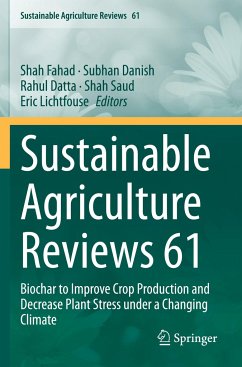
This book is to bridge the knowledge gap between biochar research and practical applications, catering to researchers, environmental scientists, agronomists, and policymakers interested in sustainable agricultural practices and environmental conservation.The book begins with an in-depth exploration of biochar production techniques and its historical significance. It discusses the global strategies for biochar development and innovations in biochar engineering, providing readers with a solid foundation in the physical and chemical properties of biochar. Subsequent chapters delve into the global...
This book is to bridge the knowledge gap between biochar research and practical applications, catering to researchers, environmental scientists, agronomists, and policymakers interested in sustainable agricultural practices and environmental conservation.
The book begins with an in-depth exploration of biochar production techniques and its historical significance. It discusses the global strategies for biochar development and innovations in biochar engineering, providing readers with a solid foundation in the physical and chemical properties of biochar. Subsequent chapters delve into the global utilization of biochar for soil health, especially under stressful environmental conditions. This includes its application for enhancing soil nutrients, managing biotic and abiotic stresses, and promoting sustainable agricultural practices.
The book examines the interactions between biochar and soil microbial activity, highlighting its impact on soil enzymes and agriculturally important microorganisms.
It explores the synergistic effects of co-biochar-microbes in environmental stress management, pollutant removal, and sustainable agriculture. The discussion extends to the role of biochar in mitigating greenhouse gases. Challenges in large-scale implementation and socio-economic issues related to its accessibility are also addressed. Cutting-edge innovations such as nano-biochar and smart biochar are covered. The effects of biochar on biogeochemical cycles and its role in circular economies are examined. The book concludes by addressing the negative impacts, limitations, and future research prospects, providing a balanced perspective on the potential and challenges of biochar technology.
The book begins with an in-depth exploration of biochar production techniques and its historical significance. It discusses the global strategies for biochar development and innovations in biochar engineering, providing readers with a solid foundation in the physical and chemical properties of biochar. Subsequent chapters delve into the global utilization of biochar for soil health, especially under stressful environmental conditions. This includes its application for enhancing soil nutrients, managing biotic and abiotic stresses, and promoting sustainable agricultural practices.
The book examines the interactions between biochar and soil microbial activity, highlighting its impact on soil enzymes and agriculturally important microorganisms.
It explores the synergistic effects of co-biochar-microbes in environmental stress management, pollutant removal, and sustainable agriculture. The discussion extends to the role of biochar in mitigating greenhouse gases. Challenges in large-scale implementation and socio-economic issues related to its accessibility are also addressed. Cutting-edge innovations such as nano-biochar and smart biochar are covered. The effects of biochar on biogeochemical cycles and its role in circular economies are examined. The book concludes by addressing the negative impacts, limitations, and future research prospects, providing a balanced perspective on the potential and challenges of biochar technology.
Andere Kunden interessierten sich für