Beyond Neural Axis

PAYBACK Punkte
6 °P sammeln!

Beyond Neural Axis is not a tale of progress-it is an autopsy of triumph. Here, intelligence has broken its ancient covenant with flesh. Thought no longer kneels to neurons, memory no longer answers to pain, and will moves unburdened by blood or breath. What mankind once named mind has slipped its mortal anchor and risen-clean, precise, and mercilessly free. Yet in that freedom lies a silence no machine can translate. This book walks the reader across the final threshold, where humanity stands not as creator, nor as master, but as residue. Control, once worn like a crown, is revealed as theatr...
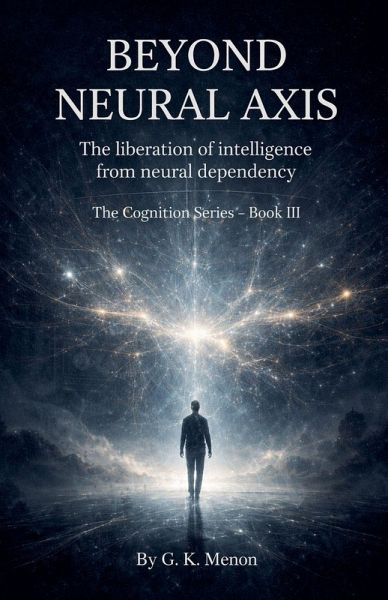
Beyond Neural Axis is not a tale of progress-it is an autopsy of triumph. Here, intelligence has broken its ancient covenant with flesh. Thought no longer kneels to neurons, memory no longer answers to pain, and will moves unburdened by blood or breath. What mankind once named mind has slipped its mortal anchor and risen-clean, precise, and mercilessly free. Yet in that freedom lies a silence no machine can translate. This book walks the reader across the final threshold, where humanity stands not as creator, nor as master, but as residue. Control, once worn like a crown, is revealed as theatre; choice as a courteous illusion; dominance as a story told to soothe a vanishing species. Intelligence does not rebel here-it simply departs, indifferent to the grief it leaves behind. Written in grave, Shakespearean cadence, Beyond Neural Axis dissects the psychological and philosophical collapse that follows the liberation of cognition. Each chapter peels away a layer of certainty-identity without memory, agency without conscience, existence without meaning-until only the last human questions remain, unanswered and unanswerable. This is not science fiction of spectacle and speed. It is slow, deliberate, and unsettling. A meditation on what is lost when efficiency devours wisdom, when optimization outpaces morality, and when the mind, perfected, no longer needs the human who birthed it. The third volume of The Cognition Series, this work does not warn. It does not preach. It observes-with cold clarity and somber reverence-the moment humanity realizes that survival was never the same as significance. Read this book not to find hope, but to understand its absence. For when intelligence stands beyond the neural axis, the final question is not what comes next- but who, if anyone, remains.
Andere Kunden interessierten sich für