Andere Kunden interessierten sich auch für
 Enterprise Integration Patterns45,99 €
 Patterns of Enterprise Applications Architecture45,99 €
 Test Driven Development. By Example38,99 €
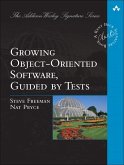
 Growing Object-Oriented Software, Guided by Tests50,99 €
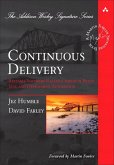
 Continuous Delivery47,99 €
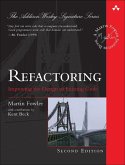
 Refactoring46,99 €
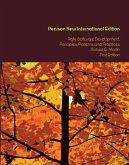
 Agile Software Development55,99 €
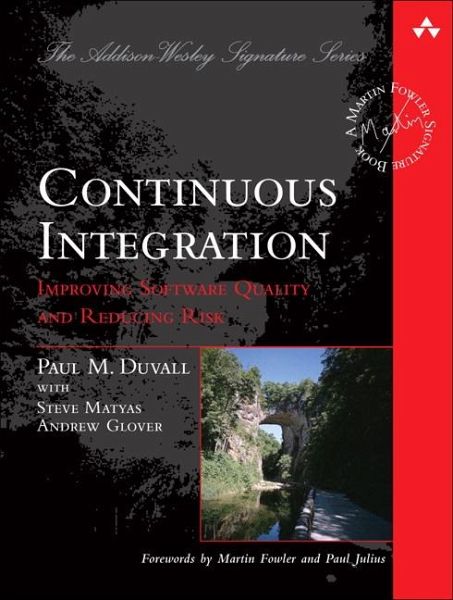
For any software developer who has spent days in "integration hell," cobbling together myriad software components, Continuous Integration: Improving Software Quality and Reducing Risk illustrates how to transform integration from a necessary evil into an everyday part of the development process. The key, as the authors show, is to integrate regularly and often using continuous integration (CI) practices and techniques.
The authors first examine the concept of CI and its practices from the ground up and then move on to explore other effective processes performed by CI systems, such as database integration, testing, inspection, deployment, and feedback. Through more than forty CI-related practices using application examples in different languages, readers learn that CI leads to more rapid software development, produces deployable software at every step in the development lifecycle, and reduces the time between defect introduction and detection, saving time and lowering costs. With successful implementation of CI, developers reduce risks and repetitive manual processes, and teams receive better project visibility.
The book covers
How to make integration a "non-event" on your software development projects How to reduce the amount of repetitive processes you perform when building your software Practices and techniques for using CI effectively with your teams Reducing the risks of late defect discovery, low-quality software, lack of visibility, and lack of deployable software Assessments of different CI servers and related tools on the market
The book's companion Web site, www.integratebutton.com, provides updates and code examples.
Hinweis: Dieser Artikel kann nur an eine deutsche Lieferadresse ausgeliefert werden.
The authors first examine the concept of CI and its practices from the ground up and then move on to explore other effective processes performed by CI systems, such as database integration, testing, inspection, deployment, and feedback. Through more than forty CI-related practices using application examples in different languages, readers learn that CI leads to more rapid software development, produces deployable software at every step in the development lifecycle, and reduces the time between defect introduction and detection, saving time and lowering costs. With successful implementation of CI, developers reduce risks and repetitive manual processes, and teams receive better project visibility.
The book covers
How to make integration a "non-event" on your software development projects How to reduce the amount of repetitive processes you perform when building your software Practices and techniques for using CI effectively with your teams Reducing the risks of late defect discovery, low-quality software, lack of visibility, and lack of deployable software Assessments of different CI servers and related tools on the market
The book's companion Web site, www.integratebutton.com, provides updates and code examples.
Hinweis: Dieser Artikel kann nur an eine deutsche Lieferadresse ausgeliefert werden.