Andere Kunden interessierten sich auch für
 The Hunger Games and Philosophy23,99 €
 Echographies of Television22,99 €
 The Girl with the Dragon Tattoo and Philosophy21,99 €
 Refractions of Reality: Philosophy and the Moving Image41,99 €
 Green Lantern and Philosophy20,99 €
 Philosophy and Blade Runner22,99 €
 Herbert Marcuse191,99 €





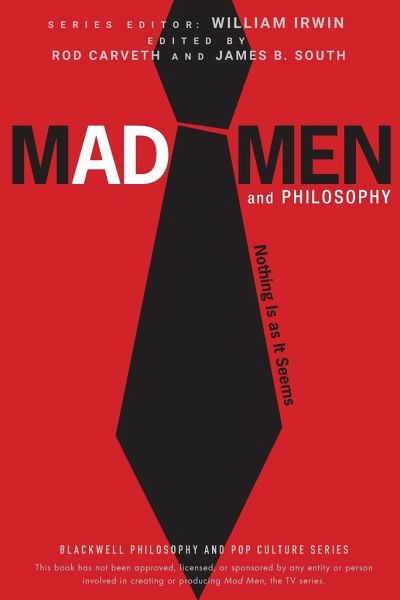
A look at the philosophical underpinnings of the hit TV show, Mad Men
With its swirling cigarette smoke, martini lunches, skinny ties, and tight pencil skirts, Mad Men is unquestionably one of the most stylish, sexy, and irresistible shows on television. But the series becomes even more absorbing once you dig deeper into its portrayal of the changing social and political mores of 1960s America and explore the philosophical complexities of its key characters and themes. From Socrates, Plato, and Aristotle to John Kenneth Galbraith, Milton Friedman, and Ayn Rand, Mad Men and Philosophy brings the thinking of some of history's most powerful minds to bear on the world of Don Draper and the Sterling Cooper ad agency. You'll gain insights into a host of compelling Mad Men questions and issues, including happiness, freedom, authenticity, feminism, Don Draper's identity, and more.
Takes an unprecedented look at the philosophical issues and themes behind AMC's Emmy Award-winning show, Mad Men
Explores issues ranging from identity to authenticity to feminism, and more
Offers new insights on your favorite Mad Men characters, themes, and storylines
Mad Men and Philosophy will give Mad Men fans everywhere something new to talk about around the water cooler.
With its swirling cigarette smoke, martini lunches, skinny ties, and tight pencil skirts, Mad Men is unquestionably one of the most stylish, sexy, and irresistible shows on television. But the series becomes even more absorbing once you dig deeper into its portrayal of the changing social and political mores of 1960s America and explore the philosophical complexities of its key characters and themes. From Socrates, Plato, and Aristotle to John Kenneth Galbraith, Milton Friedman, and Ayn Rand, Mad Men and Philosophy brings the thinking of some of history's most powerful minds to bear on the world of Don Draper and the Sterling Cooper ad agency. You'll gain insights into a host of compelling Mad Men questions and issues, including happiness, freedom, authenticity, feminism, Don Draper's identity, and more.
Takes an unprecedented look at the philosophical issues and themes behind AMC's Emmy Award-winning show, Mad Men
Explores issues ranging from identity to authenticity to feminism, and more
Offers new insights on your favorite Mad Men characters, themes, and storylines
Mad Men and Philosophy will give Mad Men fans everywhere something new to talk about around the water cooler.