Gutscheinbedingungen

**Gültig bis 10.06.2026 / Gültig für gebrauchte Bücher / Mindestbestellwert 20,00 € / Einzelne Artikel können ausgeschlossen sein / Online auf www.bücher.de.de / Nicht kombinierbar mit anderen Gutscheinen oder Preisaktionen / Nur einmal pro Einkauf einlösbar / Gutschein wird auf max. 500€ Bestellwert angerechnet / Keine Barauszahlung / Nicht gültig für Versandkosten und Services

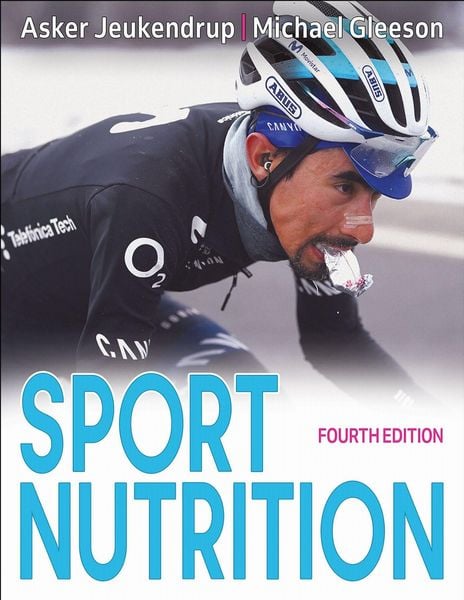
Produktbild: Sport Nutrition

Sport Nutrition

122,99 €

inkl. gesetzl. MwSt., Versandkostenfrei

Lieferung nach Hause

Beschreibung

Produktdetails

Einband

Taschenbuch

Erscheinungsdatum

05.06.2024

Verlag

Human Kinetics

Seitenzahl

683

Maße (L/B/H)

27,8/21,2/3,3 cm

Gewicht

1917 g

Sprache

Englisch

ISBN

978-1-71822-170-3

Beschreibung

Produktdetails

Einband

Taschenbuch

Erscheinungsdatum

05.06.2024

Verlag

Human Kinetics

Seitenzahl

683

Maße (L/B/H)

27,8/21,2/3,3 cm

Gewicht

1917 g

Sprache

Englisch

ISBN

978-1-71822-170-3

Herstelleradresse

Libri GmbH
Europaallee 1
36244 Bad Hersfeld
DE

Email: gpsr@libri.de

Kundinnen und Kunden meinen

0 Bewertungen

Informationen zu Bewertungen

Zur Abgabe einer Bewertung ist eine Anmeldung im Konto notwendig. Die Authentizität der Bewertungen wird von uns nicht überprüft. Wir behalten uns vor, Bewertungstexte, die unseren Richtlinien widersprechen, entsprechend zu kürzen oder zu löschen.

Die Bewertungen sind nach Format, Anzahl Sterne und Datum sortiert.

Verfassen Sie die erste Bewertung zu diesem Artikel

Helfen Sie anderen Kund*innen durch Ihre Meinung

Kundinnen und Kunden meinen

0 Bewertungen filtern

  • Produktbild: Sport Nutrition
  • Chapter 1. Nutrients and Recommended Intakes
    Function of Nutrients
    Carbohydrate
    Fat
    Protein
    Water
    Alcohol
    Vitamins, Minerals, and Trace Elements
    Phytonutrients
    Recommended Intakes of Nutrients
    Development of Recommended Intakes
    Current Recommended Intakes
    Analyzing Dietary Intakes
    The Importance of Nutrition in Sport
    Key Points
    Review Questions
    Recommended Readings

    Chapter 2. Healthy Eating
    Health Effects of Consuming Excess Nutrients
    Practical Guidelines for a Balanced, Healthy Diet
    Recommendations for a Healthy Diet and Lifestyle
    Nutrition Facts Labels
    The Sport Nutrition Pyramid
    Nutrient Content and Health Claims on Food Packaging
    Processed Foods and Additives
    Fat Substitutes
    Misinformation in Sport Nutrition and Recognizing Good and Bad Information
    Key Points
    Review Questions
    Recommended Readings

    Chapter 3. Fuel Sources for Muscle and Exercise Metabolism
    Subcellular Skeletal Muscle Structure
    Force Generation in Skeletal Muscle
    Fiber Types
    Energy for Muscle Force Generation
    Fuel Stores in Skeletal Muscle
    Regulation of Energy Metabolism
    Metabolic Responses to Exercise
    Metabolic Adaptations to Exercise Training
    Key Points
    Review Questions
    Recommended Readings

    Chapter 4. Energy
    Energetic Efficiency
    Measuring the Energy Content of Food
    Measuring Energy Expenditure
    Components of Energy Expenditure
    Energy Balance
    Key Points
    Review Questions
    Recommended Readings

    Chapter 5. Gastric Emptying, Digestion, and Absorption
    Anatomy of the Gastrointestinal Tract
    Regulation of the Gastrointestinal Tract
    Digestion
    Absorption
    Gut Microbiota
    Maintaining Gut Health
    Regulation of Gastric Emptying
    Potential Role of Gut Microbiota in Athlete Health and Performance
    Gastrointestinal Problems During and After Exercise
    Key Points
    Review Questions
    Recommended Readings

    Chapter 6. Carbohydrate
    History
    Role of Carbohydrate
    Recommendations for Carbohydrate Intake
    Carbohydrate Intake in the Days Before Competition
    Carbohydrate Intake in the Hours Before Exercise
    Carbohydrate Intake 30 to 60 Minutes Before Exercise
    Carbohydrate Intake During Exercise
    Carbohydrate Intake After Exercise
    Key Points
    Review Questions
    Recommended Readings

    Chapter 7. Fat
    Fat Metabolism During Exercise
    Limits to Fat Oxidation
    Fat as a Fuel During Exercise
    Regulation of Carbohydrate and Fat Metabolism
    Fat Supplementation and Exercise
    Effects of Diet on Fat Metabolism and Performance
    Key Points
    Review Questions
    Recommended Readings

    Chapter 8. Protein and Amino Acids
    Amino Acids
    Techniques to Study Protein and Amino Acid Metabolism
    Protein Requirements for Exercise
    Training and Protein Metabolism
    Effect of Protein Intake on Muscle Protein Synthesis
    Amino Acids as Ergogenic Aids
    Protein Intake and Health Risks
    Key Points
    Review Questions
    Recommended Readings

    Chapter 9. Fluid and Electrolytes
    Thermoregulation and Exercise in the Heat
    Effects of Dehydration on Exercise Performance
    Mechanisms of Heat Illness
    Effects of Fluid Intake on Exercise Performance
    Electrolyte Losses and Replacement During Exercise
    Daily Water Balance
    Fluid Requirements for Athletes
    Key Points
    Review Questions
    Recommended Readings

    Chapter 10. Vitamins and Minerals
    Water-Soluble and Fat-Soluble Vitamins
    Recommended Intakes of Vitamins
    Recommended Intakes of Vitamins for Athletes
    Macrominerals and Microminerals
    Recommended Intakes of Minerals
    Critical Micronutrient Functions
    Assessing Micronutrient Status
    Exercise and Micronutrient Requirements
    Ergogenic Effect of Micronutrient Supplementation
    Summary of Recommendations for Micronutrient Intake in Athletes
    Key Points
    Review Questions
    Recommended Readings

    Chapter 11. Nutrition Supplements
    Relative Importance of Supplements to a Normal Diet
    Nonregulation of Nutrition Supplements
    Critical Evaluation of Nutrition Supplement Studies
    Androstenedione
    Ashwagandha
    Bee Pollen
    Beetroot Juice and Other Sources of Dietary Nitrate
    Β-Alanine and Carnosine
    Β-Hydroxy Β-Methylbutyrate
    Boron
    Caffeine
    Cannabidiol
    Carnitine
    Cherry Juice
    Choline
    Chromium
    Coenzyme Q10
    Cordyceps
    Creatine
    Dehydroepiandrosterone
    Fish Oil and Omega-3 Fatty Acids
    Ginseng
    Glandulars
    Glycerol
    Green Tea
    Inosine
    Ketone Salts
    Lactate Salts and Polylactate
    Lecithin
    Medium-Chain Triacylglycerol
    Pangamic Acid
    Phosphatidylserine
    Phosphorus and Phosphate Salts
    Polyphenols
    Pyruvate and Dihydroxyacetone
    Sodium Bicarbonate
    Sodium Citrate
    Sodium Nitrate
    Vanadium
    Wheat Germ Oil
    Additive Effects of Combining Different Supplements
    Contamination of Nutrition Supplements
    Key Points
    Review Questions
    Recommended Readings

    Chapter 12. Nutrition and Training Adaptations
    Training Adaptations
    Signal Transduction Pathways
    Starting a Signaling Cascade
    Secondary Signals
    Nutrition and Effects on Training Adaptations
    Overreaching and the Overtraining Syndrome
    Nutrition and Effects on Sleep
    Nutrition and Effects on Rehabilitation
    Key Points
    Review Questions
    Recommended Readings

    Chapter 13. Nutrition and Immune Function in Athletes
    Functions of the Immune System and Its Cellular Components
    General Mechanisms of the Immune Response
    Causes of Illness in Athletes
    Effects of Exercise and Other Lifestyle Factors on the Immune System
    Nutritional Manipulations to Decrease Immunodepression in Athletes
    Nutrition for the Athlete During a Period of Illness
    Conclusions and Recommendations
    Key Points
    Review Questions
    Recommended Readings

    Chapter 14. Body Composition
    Optimal Body Weight and Composition
    Body Composition Models
    Normal Ranges of Body Weight and Body Fat
    Body Composition Measurement Techniques
    Achieving Changes in Body Composition
    Should We Measure Body Weight and Body Composition in Athletes?
    Key Points
    Review Questions
    Recommended Readings

    Chapter 15. Weight Management
    Regulation of Body Weight
    Set Point, Settling Point, and Other Theories of Body Weight Regulation
    Genetics
    Regulation of Appetite
    Effect of Exercise on Appetite
    Physical Activity and Energy Expenditure
    Dietary Weight-Loss Methods
    Energy and Macronutrient Intake
    Exercise for Weight Loss
    Decreased Resting Metabolic Rate With Weight Loss
    Weight Cycling
    Sex Differences in Weight Loss
    Practicalities of Weight Loss for Athletes
    Weight Gain
    Key Points
    Review Questions
    Recommended Readings

    Chapter 16. Eating Disorders and Low Energy Availability in Athletes
    Types of Eating Disorders
    Prevalence of Eating Disorders in Athletes
    Effects of Eating Disorders on Sports Performance
    Effects of Eating Disorders on Health and Low Energy Availability
    Low Energy Availability and Relative Energy Deficiency in Sport
    Treatment and Prevention of Eating Disorders and Disordered Eating
    Key Points
    Review Questions
    Recommended Readings

    Chapter 17. Personalized Nutrition
    Genetic Influences
    Turning Science Into Practice
    Specific Populations
    Nutrition Application in Different Sport Situations and Populations
    Key Points
    Review Questions
    Recommended Readings