
A/AS Level English Language and Literature for AQA Student Book
43,99 €
inkl. gesetzl. MwSt.,
Lieferung nach Hause
Beschreibung
Produktdetails
ISBN
978-1-107-46566-4
Erscheinungsdatum
09.07.2015
Klassenstufen
10. Klasse + weitere
Einband
Taschenbuch
Herausgeber
Giovanelli MarcelloVerlag
Cambridge University PressSeitenzahl
312
Maße (L/B/H)
27,6/22,2/1,7 cm
Gewicht
777 g
Sprache
Englisch
A new series of bespoke, full-coverage resources developed for the 2015 A Level English qualifications. Endorsed for the AQA A/AS Level English Language and Literature specification for first teaching from 2015, this print Student Book offers stretch opportunities for the more able and additional scaffolding for those who need it. Providing full coverage of the specification, the unique three-part structure bridges the gap between GCSE and A Level and develops students' understanding of descriptive linguistics and literary and non-literary stylistics, together with support for the revised coursework component and new textual intervention task. An enhanced digital edition and free Teacher's Resource are also available.
Dazu passende Produkte
-
STABILO Premium-Filzstift - Pen 68 - 6er Pack - 6 Neonfarben von
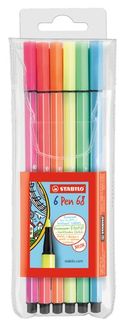 STABILO Premium-Filzstift - Pen 68 - 6er Pack - 6 Neonfarben
Bürobedarf
5,69 €
-
satch Trinkflasche Edelstahl Olive von
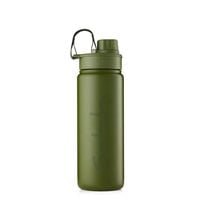 satch Trinkflasche Edelstahl Olive
Bürobedarf
24,99 €
-
Legami 3-in-1 Textmarker - Einhorn von
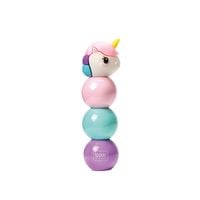 Legami 3-in-1 Textmarker - Einhorn
Bürobedarf
5,99 €
-
Brunnen Vokabelheft A5 Viv 32Bl Lin53 von
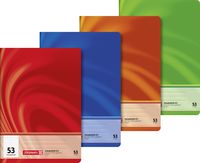 Brunnen Vokabelheft A5 Viv 32Bl Lin53
Bürobedarf
3,99 €
-
Rucksack City Leopard von
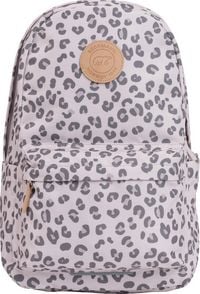 Rucksack City Leopard
Bürobedarf
99,00 €
-
Schlampermäppchen Colour Drift von
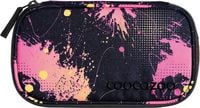 Schlampermäppchen Colour Drift
Bürobedarf
24,99 €
-
VON Schnellhefter Karton rot von
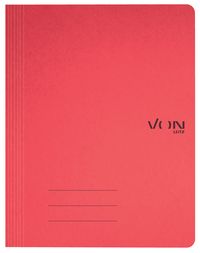 VON Schnellhefter Karton rot
Bürobedarf
3,99 €
-
Legami löschbarer Gelstift - Hase von
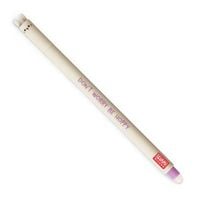 Legami löschbarer Gelstift - Hase
Bürobedarf
2,99 €
-
Faber-Castell Dreifachspitzdose Colour Grip sky blue von
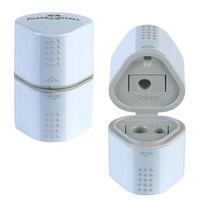 Faber-Castell Dreifachspitzdose Colour Grip sky blue
Bürobedarf
37,99 €
-
Stylex Korrekturroller, 2 Stück, à 6 m von
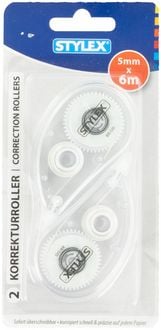 Stylex Korrekturroller, 2 Stück, à 6 m
Bürobedarf
3,99 €
12 m ( 0,33 € / 1 m)
Kundinnen und Kunden meinen
Verfassen Sie die erste Bewertung zu diesem Artikel
Helfen Sie anderen Kund*innen durch Ihre Meinung
Kurze Frage zu unserer Seite
Vielen Dank für dein Feedback
Wir nutzen dein Feedback, um unsere Produktseiten zu verbessern. Bitte habe Verständnis, dass wir dir keine Rückmeldung geben können. Falls du Kontakt mit uns aufnehmen möchtest, kannst du dich aber gerne an unseren Kund*innenservice wenden.
zum Kundenservice