D-Penicillamine in the neonatal period
Chelation as neuroprotectant in the neonatal period
Versandkostenfrei!
Versandfertig in 6-10 Tagen
47,99 €
inkl. MwSt.

PAYBACK Punkte
24 °P sammeln!

D-penicillamine (D-PA) was first recognized as a potential benefit for neonatal hyperbilirubinemia (NHBI). During this time there was a remarkably low incidence of retinopathy of prematurity (ROP) in the infants treated with D-PA. Later, our studies were replicated in other institutes in Hungary, Poland, U.S. A., India and Mexico. It is important to note that there was no intolerance or short- or long-term toxicity of the medication, in spite of the fact that in the newborn period D-PA was used 10-20 times higher doses than those in adult. Furthermore, the aim of this book was to demonstrate a...
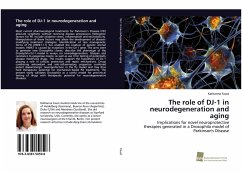
D-penicillamine (D-PA) was first recognized as a potential benefit for neonatal hyperbilirubinemia (NHBI). During this time there was a remarkably low incidence of retinopathy of prematurity (ROP) in the infants treated with D-PA. Later, our studies were replicated in other institutes in Hungary, Poland, U.S. A., India and Mexico. It is important to note that there was no intolerance or short- or long-term toxicity of the medication, in spite of the fact that in the newborn period D-PA was used 10-20 times higher doses than those in adult. Furthermore, the aim of this book was to demonstrate a new concept in the etiology of bilirubin-induced neurologic dysfunction (BIND) and highlight the role of D-PA. Unconjugated bilirubin has a special affinity for the globus pallidus, the hippocampus, and the subthalamic nucleus (basal ganglia). Furthermore, immaturity of the blood-brain barrier also contributes to the development of kernicterus. Homeostasis of metal ions usually involves a huge set of proteins which regulate the proper metal biology. Metal ions, especially copper and iron play very important roles in the pathogenesis of neurodegenerative diseases including BIND and ROP.
Andere Kunden interessierten sich für