


Nicht lieferbar
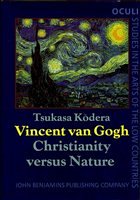
Vincent van Gogh
Christianity versus Nature
Versandkostenfrei!
Nicht lieferbar

Main description:This book analyzes the deeper meaning of recurring themes in van Gogh's œuvre, such as the sower, the sun and the sunflower, against the religious background of his time. It traces the conflict between Christianity and nature that underlies the process of substitution of natural for Christian symbols which we find in van Gogh's œuvre. The author has made a careful inventory of the principal motifs in van Gogh's œuvre and studied the ways in which these have been combined and manipulated. By this method it can be demonstrated, not only that initially van Gogh uses explicitly...
Main description:
This book analyzes the deeper meaning of recurring themes in van Gogh's œuvre, such as the sower, the sun and the sunflower, against the religious background of his time. It traces the conflict between Christianity and nature that underlies the process of substitution of natural for Christian symbols which we find in van Gogh's œuvre. The author has made a careful inventory of the principal motifs in van Gogh's œuvre and studied the ways in which these have been combined and manipulated. By this method it can be demonstrated, not only that initially van Gogh uses explicitly Christian motifs such as the church spire, but also that their function is later taken over by motifs from nature like the sun and the starry night. Kdera discusses the meaning of these symbols and quotes extensively from contemporary material and from van Gogh's letters to show how this process of naturalization was influenced by specific artistic sources such as French Naturalist novels and Japanese prints.
Table of contents:
- Foreword
- Abbreviations
- Introduction
- 1. Dominocratie: Van Gogh and the theologians' culture in nineteenth-century Holland
- 2. The Church versus the sun: substitution of motifs
- 3. Light in the darkness: survival of a Christian concept
- 4. Japan as primitivistic utopia: Van Gogh's japonist portraits
- 5. 'In the sweat of thy face shalt thou eat bread': diggers in the oeuvre of Van Gogh
- 6. Christianity versus nature: Emile Zola's La faute de l'abbé Mouret
- 7. Conclusion: triumph and defeat of nature
- Notes
- Appendix I: Chronological tables
- Appendix II: Zionskapel in the Barndesteeg: Van Gogh as a Sunday school teacher
- Selected bibliography
- List of illustrations
- Illustrations
- Photographic acknowledgments
- Index
This book analyzes the deeper meaning of recurring themes in van Gogh's œuvre, such as the sower, the sun and the sunflower, against the religious background of his time. It traces the conflict between Christianity and nature that underlies the process of substitution of natural for Christian symbols which we find in van Gogh's œuvre. The author has made a careful inventory of the principal motifs in van Gogh's œuvre and studied the ways in which these have been combined and manipulated. By this method it can be demonstrated, not only that initially van Gogh uses explicitly Christian motifs such as the church spire, but also that their function is later taken over by motifs from nature like the sun and the starry night. Kdera discusses the meaning of these symbols and quotes extensively from contemporary material and from van Gogh's letters to show how this process of naturalization was influenced by specific artistic sources such as French Naturalist novels and Japanese prints.
Table of contents:
- Foreword
- Abbreviations
- Introduction
- 1. Dominocratie: Van Gogh and the theologians' culture in nineteenth-century Holland
- 2. The Church versus the sun: substitution of motifs
- 3. Light in the darkness: survival of a Christian concept
- 4. Japan as primitivistic utopia: Van Gogh's japonist portraits
- 5. 'In the sweat of thy face shalt thou eat bread': diggers in the oeuvre of Van Gogh
- 6. Christianity versus nature: Emile Zola's La faute de l'abbé Mouret
- 7. Conclusion: triumph and defeat of nature
- Notes
- Appendix I: Chronological tables
- Appendix II: Zionskapel in the Barndesteeg: Van Gogh as a Sunday school teacher
- Selected bibliography
- List of illustrations
- Illustrations
- Photographic acknowledgments
- Index