


Nicht lieferbar
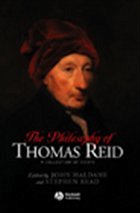
The Philosophy of Thomas Reid
A Collection of Essays
Versandkostenfrei!
Nicht lieferbar

Thomas Reid was one of the greatest philosophers of the eighteenth century and a contemporary of Kants. This volume is part of a new wave of international interest in Reid from a new generation of scholars.The volume opens with an introduction to Reids life and work, including biographical material previously little known. A classic essay by Reid himself Of Power is then reproduced, in which he sets out his distinctive account of causality and agency. This is followed by ten original essays exploring different aspects of Reids philosophy, as well as his relation to other thinkers, such as Kant...
Thomas Reid was one of the greatest philosophers of the eighteenth century and a contemporary of Kants. This volume is part of a new wave of international interest in Reid from a new generation of scholars.
The volume opens with an introduction to Reids life and work, including biographical material previously little known. A classic essay by Reid himself Of Power is then reproduced, in which he sets out his distinctive account of causality and agency. This is followed by ten original essays exploring different aspects of Reids philosophy, as well as his relation to other thinkers, such as Kant, Priestley, and Moore.
Contents:
1. Introduction: John Haldane (University of St. Andrews).
2. Of Power: Thomas Reid.
3. Reid and Epistemic Naturalism: The Constitutive First Principles of Common Sense: Patrick Rysiew (University of British Columbia).
4.The Problem with Reids Direct Realism: J. Todd Buras (Yale University).
5. Reids Foundation for the Primary Quality / Secondary Quality Distinction: Jennifer McKitrick (University of Alabama at Birmingham).
6. Reid, Kant, and the Philosophy of Mind: Etienne Brun-Rovet.
7'. Reid and Priestley on Method and the Mind: Alan Tapper (Edith Cowan University, Western Australia).
8. Common Sense and the Theory of Human Behaviour: Ferenc Huoranszki (Central European University, Budapest).
9. How to Reid Moore: John Greco (Fordham University).
10. A Defense of Scottish Common Sense: Michael Pakaluk (Clark University, Massachusetts).
11. Reid on Fictional Objects and the Way of Ideas: Ryan Nichols (University of Aberdeen).
12. Reconsidering Reids Geometry of Visibles: Gideon Yaffe (University of Southern California).
The volume opens with an introduction to Reids life and work, including biographical material previously little known. A classic essay by Reid himself Of Power is then reproduced, in which he sets out his distinctive account of causality and agency. This is followed by ten original essays exploring different aspects of Reids philosophy, as well as his relation to other thinkers, such as Kant, Priestley, and Moore.
Contents:
1. Introduction: John Haldane (University of St. Andrews).
2. Of Power: Thomas Reid.
3. Reid and Epistemic Naturalism: The Constitutive First Principles of Common Sense: Patrick Rysiew (University of British Columbia).
4.The Problem with Reids Direct Realism: J. Todd Buras (Yale University).
5. Reids Foundation for the Primary Quality / Secondary Quality Distinction: Jennifer McKitrick (University of Alabama at Birmingham).
6. Reid, Kant, and the Philosophy of Mind: Etienne Brun-Rovet.
7'. Reid and Priestley on Method and the Mind: Alan Tapper (Edith Cowan University, Western Australia).
8. Common Sense and the Theory of Human Behaviour: Ferenc Huoranszki (Central European University, Budapest).
9. How to Reid Moore: John Greco (Fordham University).
10. A Defense of Scottish Common Sense: Michael Pakaluk (Clark University, Massachusetts).
11. Reid on Fictional Objects and the Way of Ideas: Ryan Nichols (University of Aberdeen).
12. Reconsidering Reids Geometry of Visibles: Gideon Yaffe (University of Southern California).