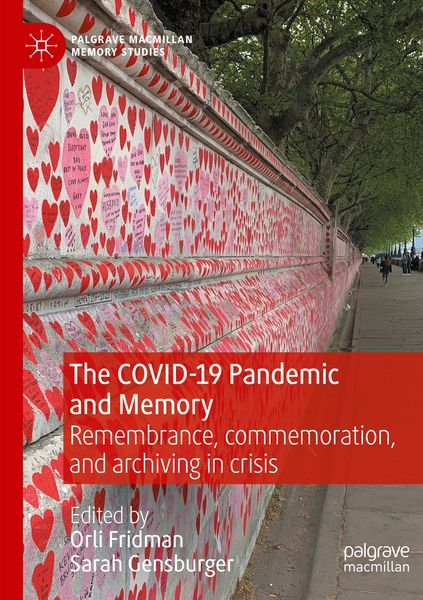
The COVID-19 Pandemic and Memory Remembrance, commemoration, and archiving in crisis
-
- Hardcover
- Taschenbuch ausgewählt
- eBook
-
Sprache:Englisch
129,99 €
UVP
149,79 €
inkl. MwSt,
Lieferung nach Hause
Beschreibung
Details
Einband
Taschenbuch
Erscheinungsdatum
25.03.2025
Herausgeber
Orli Fridman + weitereVerlag
SpringerSeitenzahl
332
Maße (L/B/H)
21/14,8/2 cm
Gewicht
461 g
Sprache
Englisch
ISBN
978-3-031-34599-9
The book aims to critically and empirically engage with this abundance of memory to understand both memorialization of the pandemic and commemoration during the pandemic : what happened then to commemorative practices and rituals around the world? How has the Covid-19 pandemic been archived and remembered? What will remembering it actually entail, and what will it mean in the future? Where did the Covid memory boom come from? Who was behind it, how did it emerge, and in what socialconfigurations did it evolve?
Weitere Bände von Palgrave Macmillan Memory Studies
-
Collective Memory of Economic Crises and Transformations von Stefan Berger
 - 11% Neu
Stefan Berger
Collective Memory of Economic Crises and TransformationsBuch
131,99 €
149,79 €* -
Embodied Memory and Bengali Identities in Britain von Julia Giese
 - 10%
- 10%Julia Giese
Embodied Memory and Bengali Identities in BritainBuch
114,99 €
128,39 €* -
Popular Memory and Franco's 'Disappeared' in Spain von Francie Cate
 - 10%
- 10%Francie Cate
Popular Memory and Franco's 'Disappeared' in SpainBuch
124,99 €
139,09 €* -
Tourism as Memory-Making von Alena Pfoser
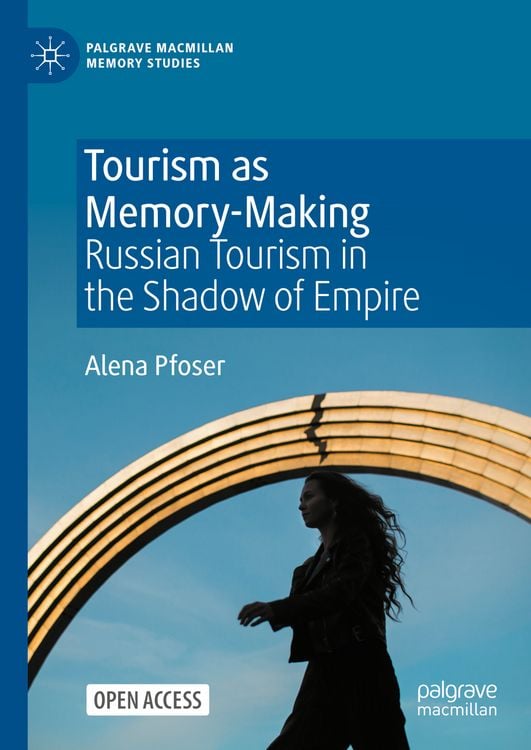
Alena Pfoser
Tourism as Memory-MakingBuch
48,99 €
-
Terrorism in Memory Culture: Investigating the Aftermath of July 22 in Norway von Alexandre Dessingué
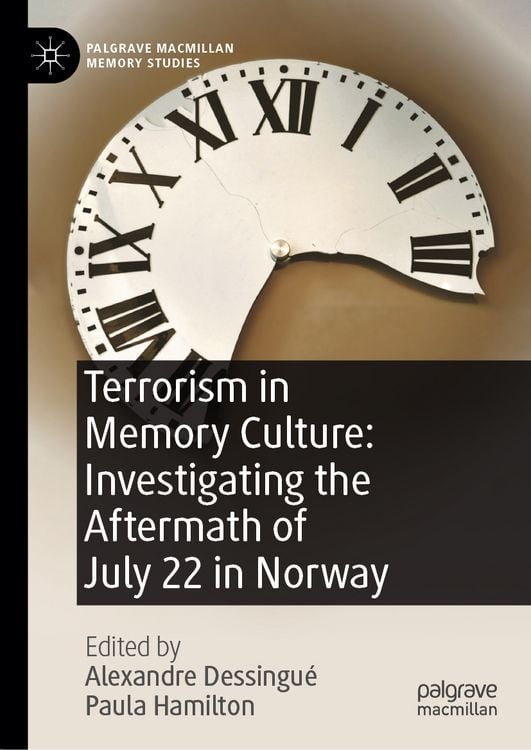
Alexandre Dessingué
Terrorism in Memory Culture: Investigating the Aftermath of July 22 in NorwayBuch
138,99 €
-
Remembering Contentious Lives von Duygu Erbil
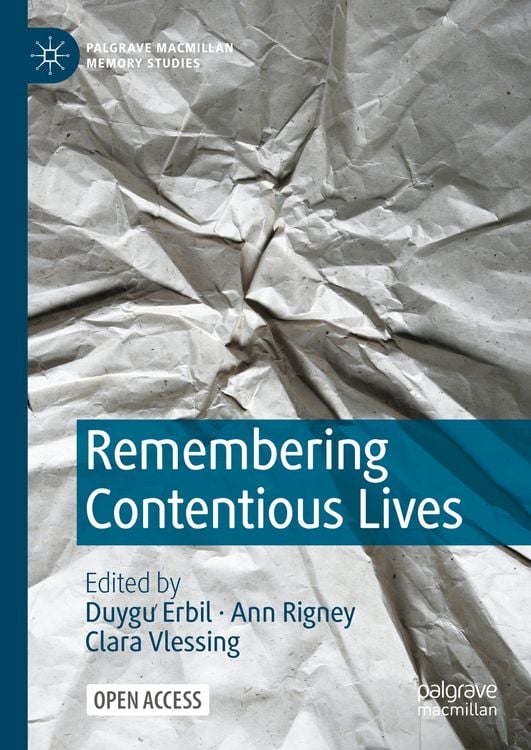
Duygu Erbil
Remembering Contentious LivesBuch
48,99 €
-
(Counter-)Archive: Memorial Practices of the Soviet Underground von Klavdia Smola
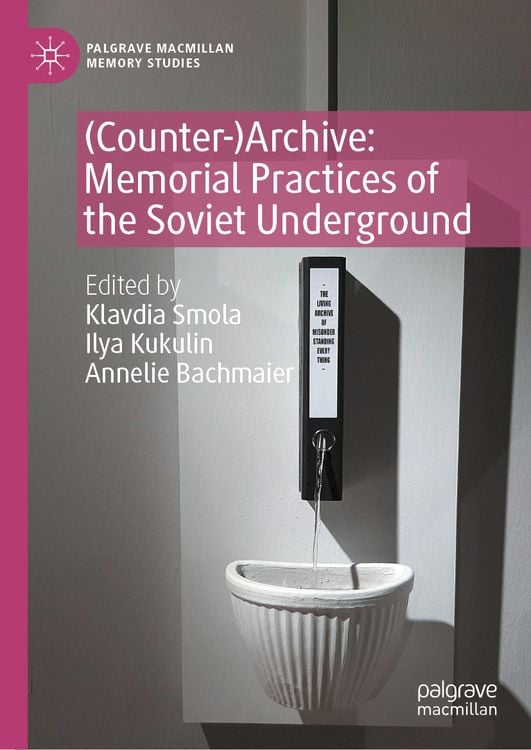 - 12%
- 12%Klavdia Smola
(Counter-)Archive: Memorial Practices of the Soviet UndergroundBuch
139,99 €
160,49 €* -
Postmemory and the Partition of India von Shuchi Kapila
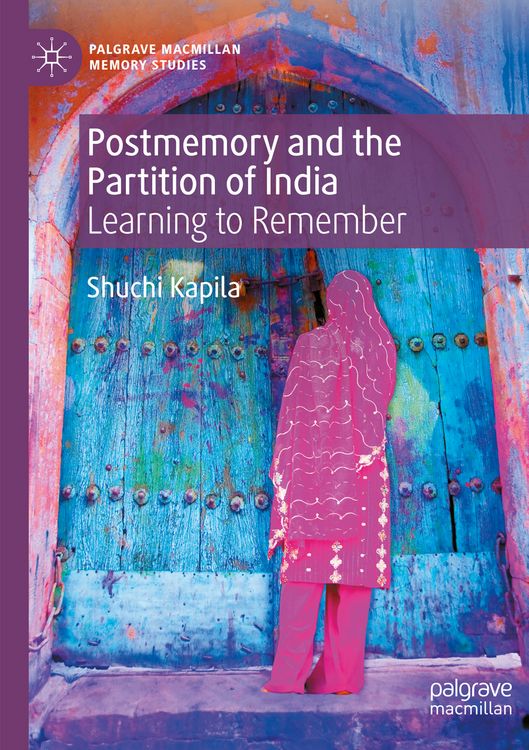
Shuchi Kapila
Postmemory and the Partition of IndiaBuch
105,99 €
-
Outsourcing the European Past von Thomas Van de Putte
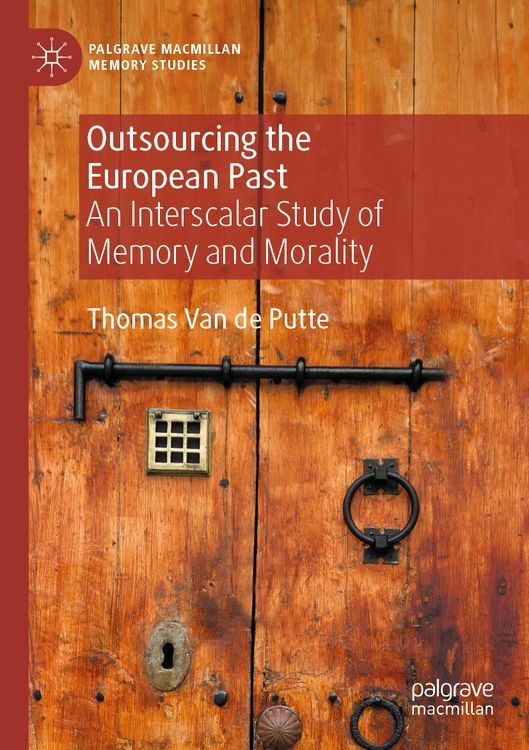
Thomas Van de Putte
Outsourcing the European PastBuch
38,99 €
-
Remembering the Anthropocene von Clara de Massol de Rebetz
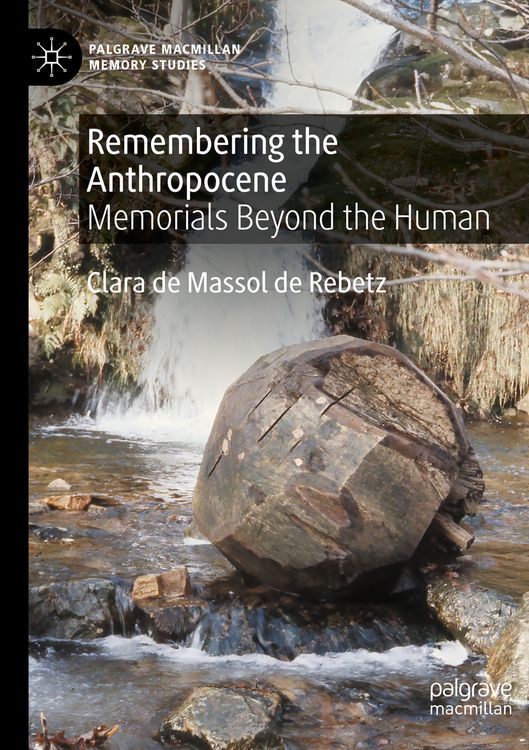 - 13%
- 13%Clara de Massol de Rebetz
Remembering the AnthropoceneBuch
101,99 €
117,69 €* -
Transnational Memories and Post-Dictatorship Cinema von Tatiana Signorelli Heise
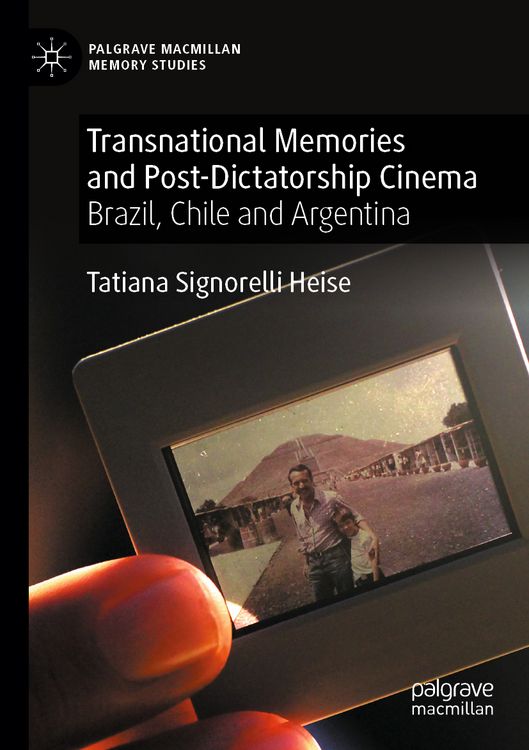 - 12%
- 12%Tatiana Signorelli Heise
Transnational Memories and Post-Dictatorship CinemaBuch
111,99 €
128,39 €* -
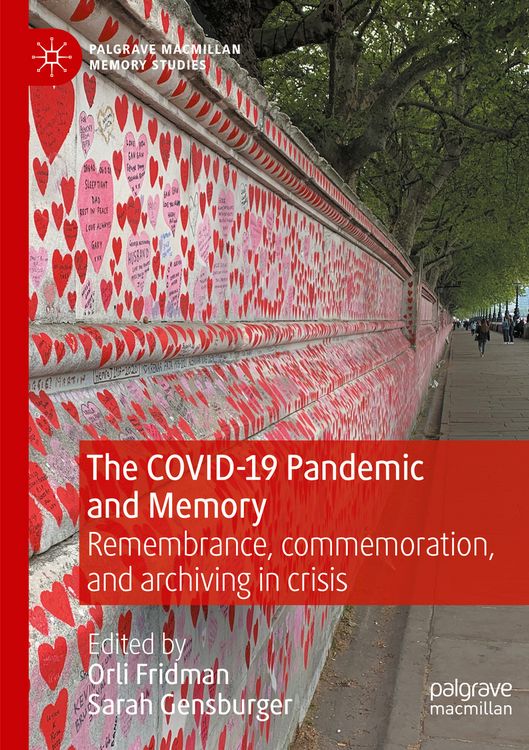
The COVID-19 Pandemic and Memory von Orli Fridman
 - 13%
- 13%Orli Fridman
The COVID-19 Pandemic and MemoryBuch
129,99 €
149,79 €*
Unsere Kundinnen und Kunden meinen
Verfassen Sie die erste Bewertung zu diesem Artikel
Helfen Sie anderen Kund*innen durch Ihre Meinung
Kurze Frage zu unserer Seite
Vielen Dank für dein Feedback
Wir nutzen dein Feedback, um unsere Produktseiten zu verbessern. Bitte habe Verständnis, dass wir dir keine Rückmeldung geben können. Falls du Kontakt mit uns aufnehmen möchtest, kannst du dich aber gerne an unseren Kund*innenservice wenden.
zum Kundenservice