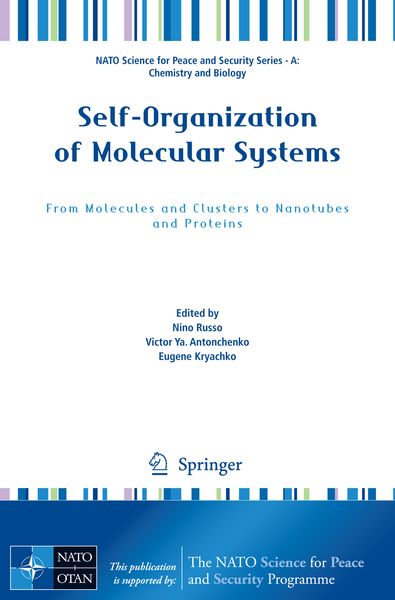

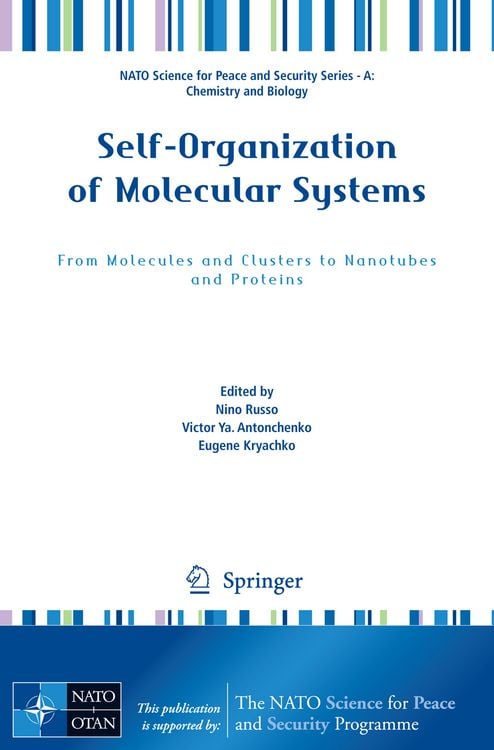
Self-Organization of Molecular Systems From Molecules and Clusters to Nanotubes and Proteins
-
- Hardcover
- Taschenbuch ausgewählt
- eBook
-
Sprache:Englisch
92,99 €
UVP
106,99 €
inkl. MwSt,
Lieferung nach Hause
Beschreibung
Details
Einband
Taschenbuch
Erscheinungsdatum
02.06.2009
Herausgeber
Nino Russo + weitereVerlag
Springer NetherlandSeitenzahl
400
Maße (L/B/H)
23,4/15,9/2,5 cm
Gewicht
605 g
Auflage
2009 edition
Sprache
Englisch
ISBN
978-90-481-2483-1
Kyiv, Ukraine
8-12 June 2008
Weitere Bände von NATO Science for Peace and Security Series A: Chemistry and Biology
-
Biodefence von Sergey Mikhalovsky
 - 12%
- 12%Sergey Mikhalovsky
BiodefenceBuch
139,99 €
160,49 €* -
Detection of Biological Agents for the Prevention of Bioterrorism von Joseph Banoub
Joseph Banoub
Detection of Biological Agents for the Prevention of BioterrorismBuch
195,99 €
-
Emerging and Endemic Pathogens von Kevin P. O'Connell
 - 13%
- 13%Kevin P. O'Connell
Emerging and Endemic PathogensBuch
185,99 €
213,99 €* -
Advances in Regenerative Medicine: Role of Nanotechnology, and Engineering Principles von Venkatram Prasad Shastri
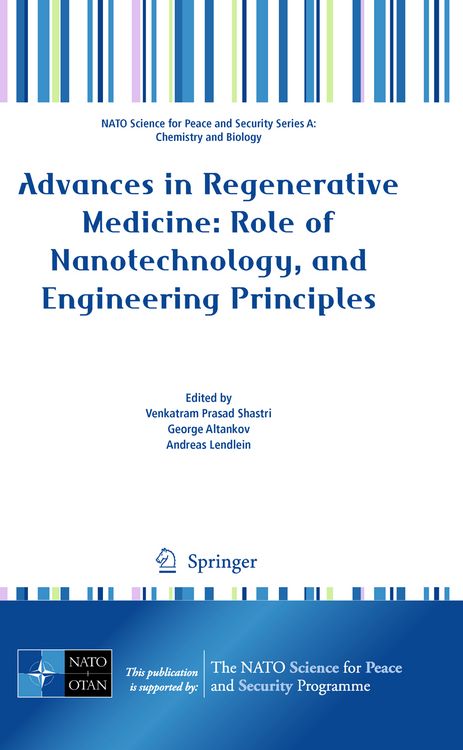 - 13%
- 13%Venkatram Prasad Shastri
Advances in Regenerative Medicine: Role of Nanotechnology, and Engineering PrinciplesBuch
185,99 €
213,99 €* -
Microfluidics Based Microsystems von S. Kakaç
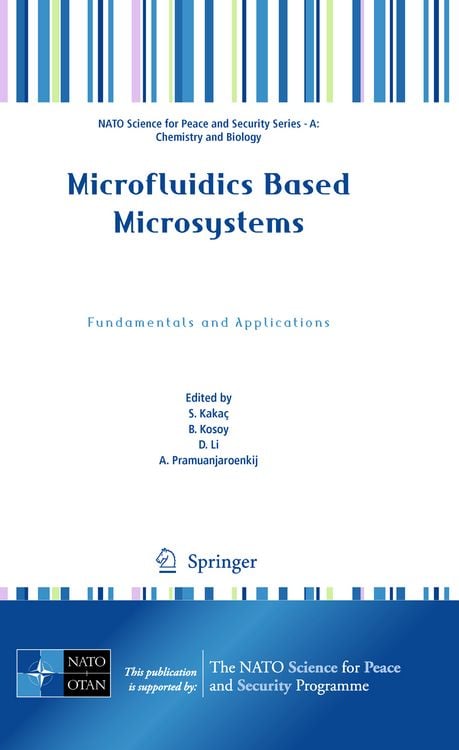 - 13%
- 13%S. Kakaç
Microfluidics Based MicrosystemsBuch
305,99 €
353,09 €* -
Detection of Bacteria, Viruses, Parasites and Fungi von Mariapia Viola Magni
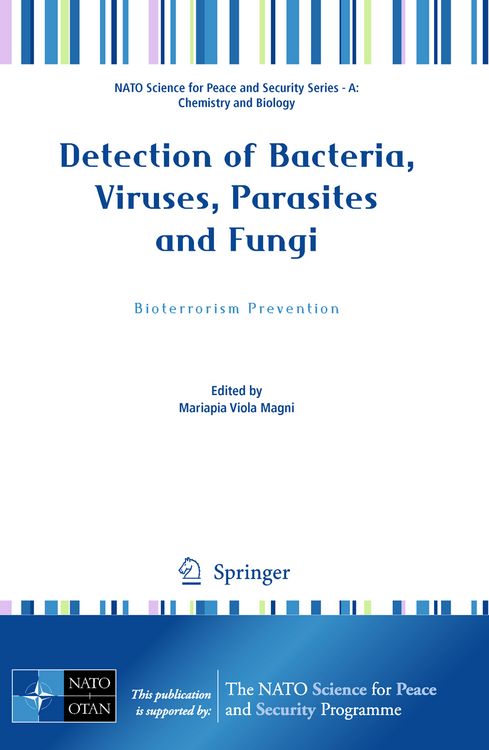 - 13%
- 13%Mariapia Viola Magni
Detection of Bacteria, Viruses, Parasites and FungiBuch
185,99 €
213,99 €* -
Metastable Systems under Pressure von Sylwester Rzoska
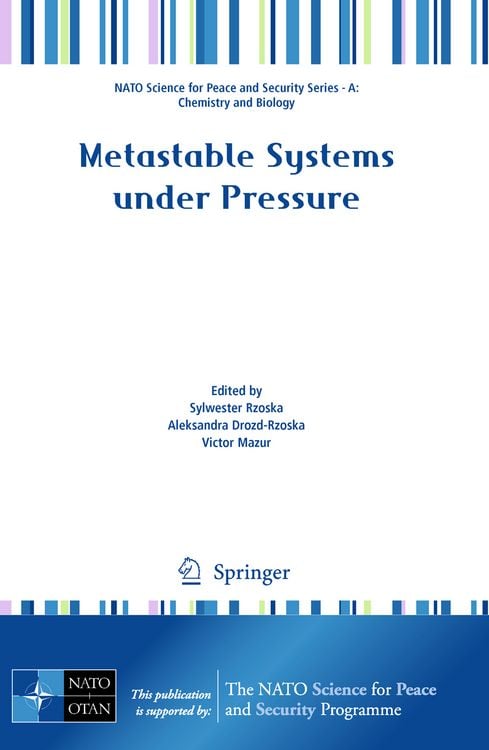 - 13%
- 13%Sylwester Rzoska
Metastable Systems under PressureBuch
185,99 €
213,99 €* -
New Smart Materials via Metal Mediated Macromolecular Engineering von Ezat Khosravi
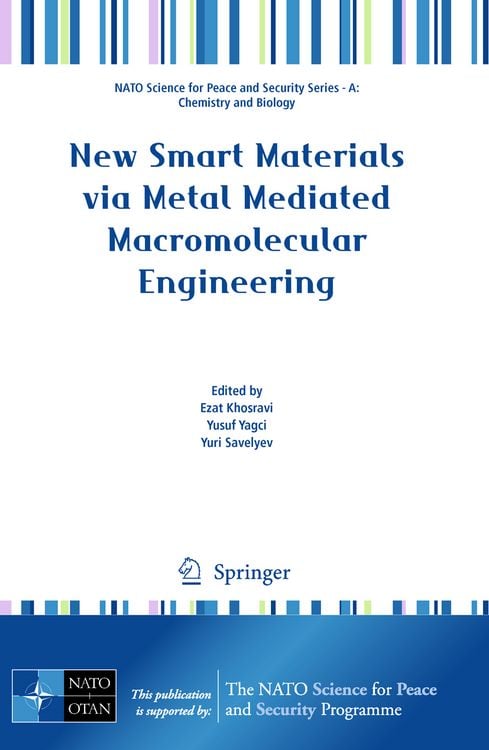 - 13%
- 13%Ezat Khosravi
New Smart Materials via Metal Mediated Macromolecular EngineeringBuch
92,99 €
106,99 €* -
Green Metathesis Chemistry von Valerian Dragutan
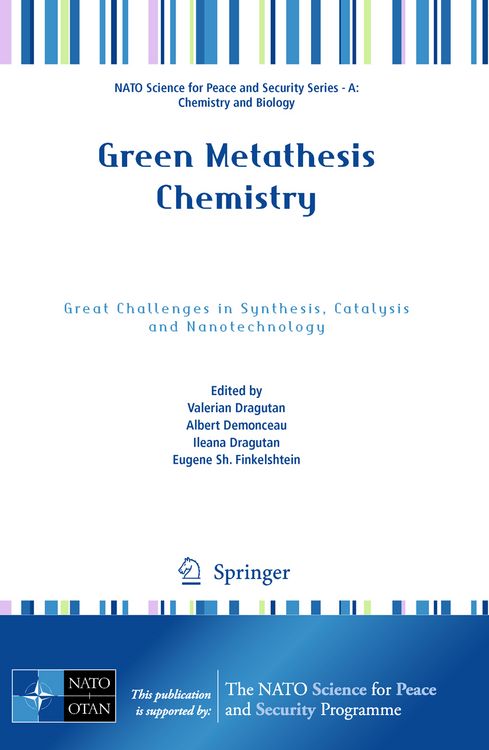
Valerian Dragutan
Green Metathesis ChemistryBuch
185,99 €
-
Chemomechanical Instabilities in Responsive Materials von Pierre Borckmans
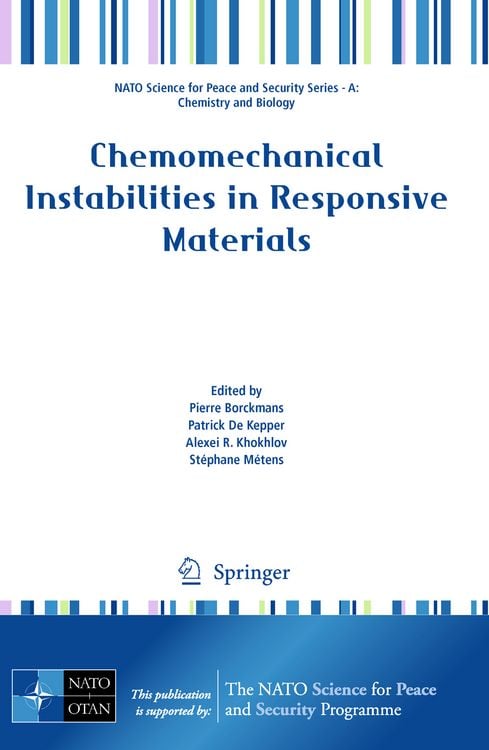 - 12%
- 12%Pierre Borckmans
Chemomechanical Instabilities in Responsive MaterialsBuch
93,99 €
106,99 €* -
Plasma Assisted Decontamination of Biological and Chemical Agents von Selçuk Güçeri
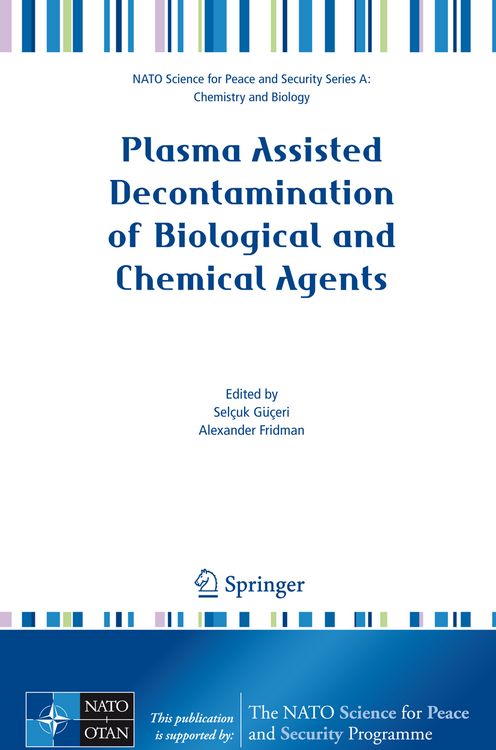 - 13%
- 13%Selçuk Güçeri
Plasma Assisted Decontamination of Biological and Chemical AgentsBuch
185,99 €
213,99 €* -
Self-Organization of Molecular Systems von Nino Russo
 - 13%
- 13%Nino Russo
Self-Organization of Molecular SystemsBuch
92,99 €
106,99 €*
Unsere Kundinnen und Kunden meinen
Verfassen Sie die erste Bewertung zu diesem Artikel
Helfen Sie anderen Kund*innen durch Ihre Meinung
Kurze Frage zu unserer Seite
Vielen Dank für dein Feedback
Wir nutzen dein Feedback, um unsere Produktseiten zu verbessern. Bitte habe Verständnis, dass wir dir keine Rückmeldung geben können. Falls du Kontakt mit uns aufnehmen möchtest, kannst du dich aber gerne an unseren Kund*innenservice wenden.
zum Kundenservice