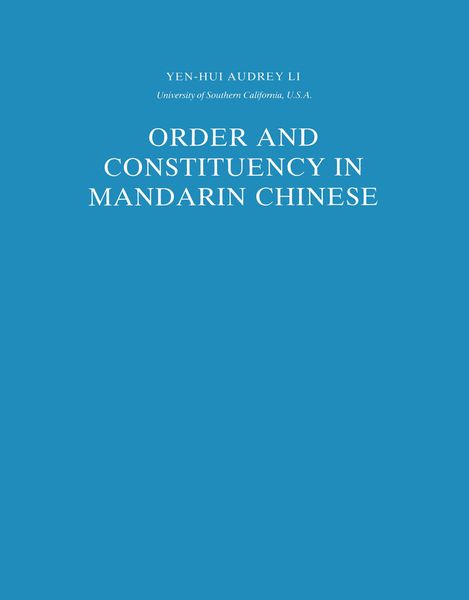
Order and Constituency in Mandarin Chinese
-
- Hardcover ausgewählt
- Taschenbuch
- eBook
-
Sprache:Englisch
187,99 €
UVP
213,99 €
inkl. MwSt,
Lieferung nach Hause
Beschreibung
Details
Einband
Gebundene Ausgabe
Erscheinungsdatum
28.02.1990
Verlag
Springer NetherlandSeitenzahl
224
Maße (L/B/H)
24,1/16/1,8 cm
Gewicht
517 g
Auflage
1990
Sprache
Englisch
ISBN
978-0-7923-0500-2
Weitere Bände von Studies in Natural Language and Linguistic Theory
-
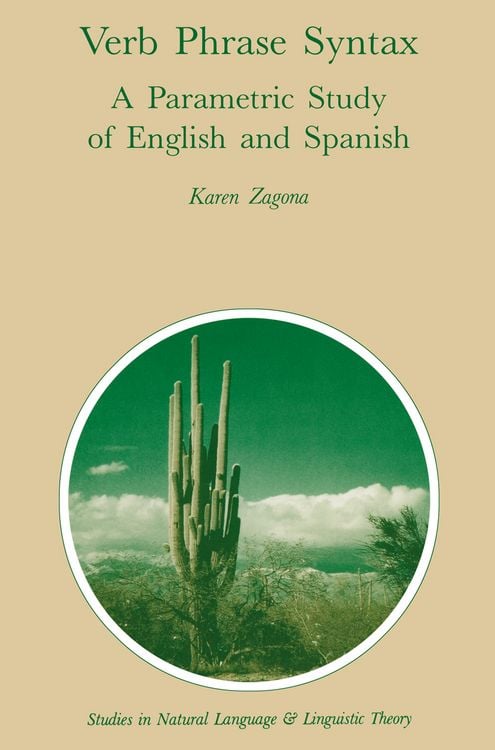
Verb Phrase Syntax: A Parametric Study of English and Spanish von Karen Zagona
 Band 13 - 12%
Karen Zagona
Verb Phrase Syntax: A Parametric Study of English and SpanishBuch
139,99 €
160,49 €* -
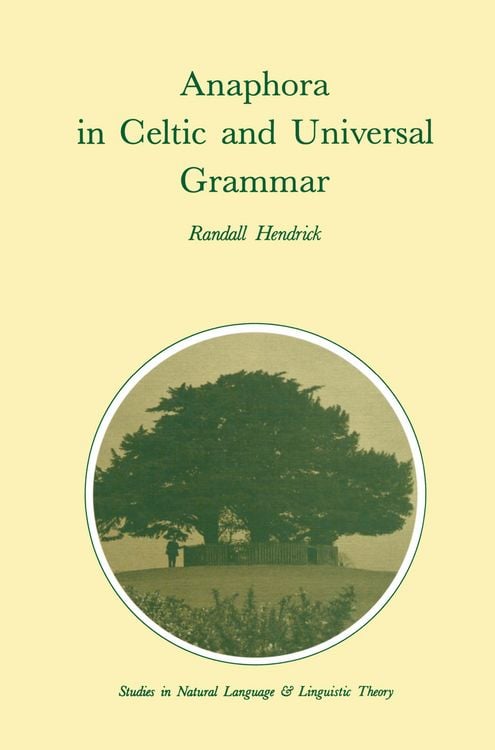
Anaphora in Celtic and Universal Grammar von R. Hendrick
 Band 14 - 12%
R. Hendrick
Anaphora in Celtic and Universal GrammarBuch
93,99 €
106,99 €* -
The Null Subject Parameter von M. Jaeggli
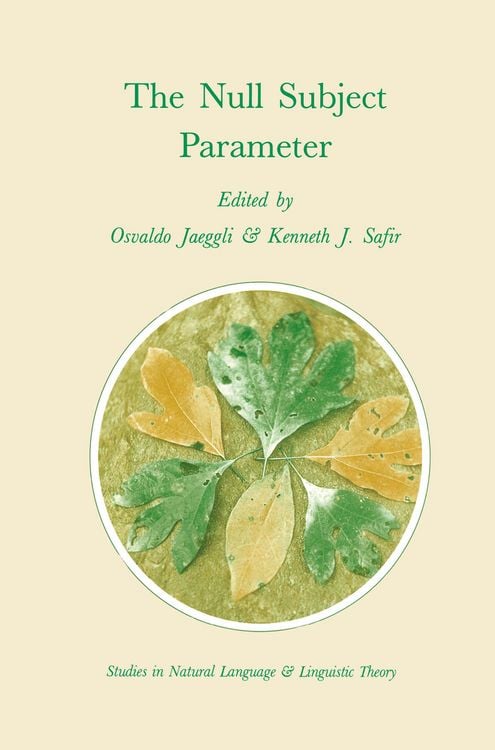 Band 15
M. Jaeggli
The Null Subject ParameterBuch
187,99 €
-
Essays on Anaphora von H. Lasnik
 Band 16 - 12%
H. Lasnik
Essays on AnaphoraBuch
93,99 €
106,99 €* -
Agreement and Anti-Agreement von Susan Steele
 Band 17 - 13%
Susan Steele
Agreement and Anti-AgreementBuch
369,99 €
427,99 €* -
Parameters in Old French Syntax: Infinitival Complements von E.H. Pearce
 Band 18
E.H. Pearce
Parameters in Old French Syntax: Infinitival ComplementsBuch
139,99 €
-
Order and Constituency in Mandarin Chinese von Audrey Li Yen Hui
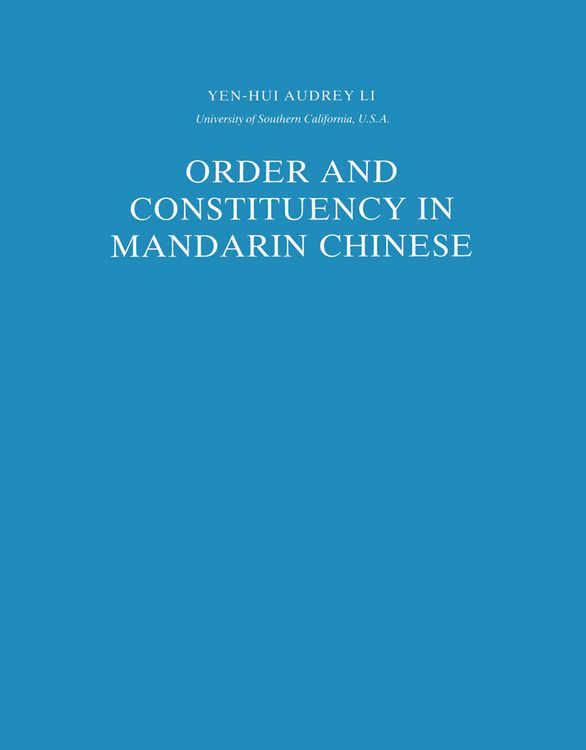 Band 19 - 12%
Audrey Li Yen Hui
Order and Constituency in Mandarin ChineseBuch
187,99 €
213,99 €* -
Essays on Restrictiveness and Learnability von H. Lasnik
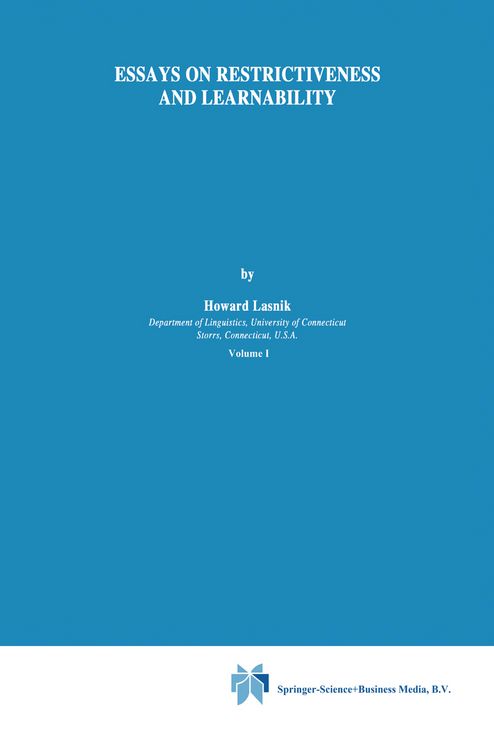 Band 20 - 12%
H. Lasnik
Essays on Restrictiveness and LearnabilityBuch
139,99 €
160,49 €* -
Phrase Structure in Natural Language von M.J. Speas
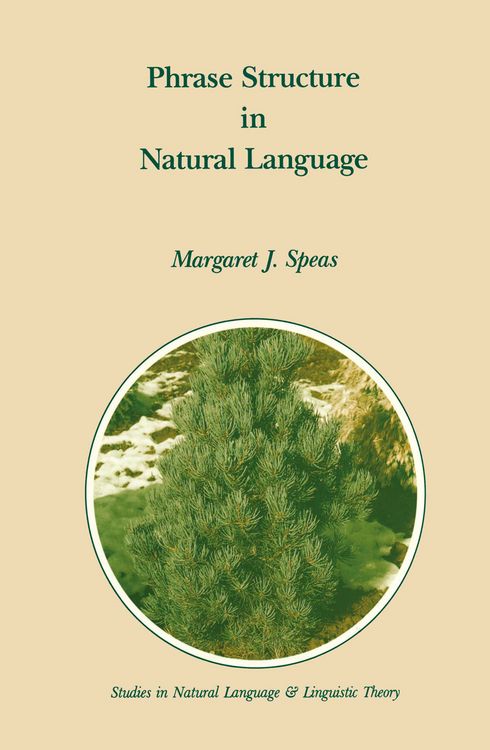 Band 21 - 12%
M.J. Speas
Phrase Structure in Natural LanguageBuch
93,99 €
106,99 €* -
Representation and Derivation in the Theory of Grammar von H. Haider
 Band 22 - 12%
H. Haider
Representation and Derivation in the Theory of GrammarBuch
139,99 €
160,49 €* -
Warlpiri Morpho-Syntax von J. Simpson
 Band 23
J. Simpson
Warlpiri Morpho-SyntaxBuch
277,99 €
-
Syntactic Variables von C. Georgopoulos
 Band 24 - 12%
C. Georgopoulos
Syntactic VariablesBuch
93,99 €
106,99 €*
Unsere Kundinnen und Kunden meinen
Verfassen Sie die erste Bewertung zu diesem Artikel
Helfen Sie anderen Kund*innen durch Ihre Meinung
Kurze Frage zu unserer Seite
Vielen Dank für dein Feedback
Wir nutzen dein Feedback, um unsere Produktseiten zu verbessern. Bitte habe Verständnis, dass wir dir keine Rückmeldung geben können. Falls du Kontakt mit uns aufnehmen möchtest, kannst du dich aber gerne an unseren Kund*innenservice wenden.
zum Kundenservice