Beschreibung
Produktdetails
Einband
Taschenbuch
Erscheinungsdatum
01.10.2025
Verlag
Oxford University PressSeitenzahl
176
Maße (L/B/H)
23,2/15,3/1,1 cm
Gewicht
260 g
Sprache
Englisch
ISBN
978-0-19-781710-0
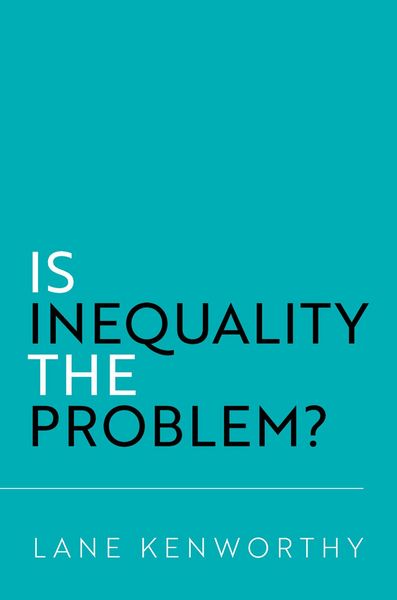
This book draws from a vast trove of research on the rich democracies to argue that while inequality is normatively a problem and we should therefore work to reduce it, the evidence from wealthier countries does not show that income inequality has contributed much at all to the other social ills it is associated with: declines in living standards, worse health outcomes, reductions in happiness, less opportunity, and diminished democracy. Instead of trying to repair these ills indirectly via a reduction in economic inequality, policy makers are more likely to make progress by pursuing these goals directly. This contrarian yet balanced account of one of the main social problems of our era will reshape our understanding of how rising economic inequality has affected societies in the industrialized world.
Kundinnen und Kunden meinen
Verfassen Sie die erste Bewertung zu diesem Artikel
Helfen Sie anderen Kund*innen durch Ihre Meinung
Kurze Frage zu unserer Seite
Vielen Dank für dein Feedback
Wir nutzen dein Feedback, um unsere Produktseiten zu verbessern. Bitte habe Verständnis, dass wir dir keine Rückmeldung geben können. Falls du Kontakt mit uns aufnehmen möchtest, kannst du dich aber gerne an unseren Kund*innenservice wenden.
zum Kundenservice