Nicht lieferbar
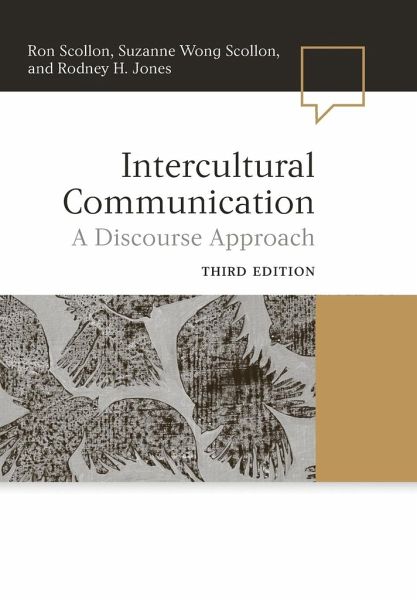
Intercultural Communication 3e

This newly revised edition is both a lively introduction and practical guide to the main concepts and challenges of intercultural communication. Grounded in interactional sociolinguistics and discourse analysis, this work integrates theoretical principles and methodological advice, presenting students, researchers, and practitioners with a comprehensive and unified resource. It features new original theory, expanded treatment of generations, gender and corporate and professional discourse, and offers improved organization and added features for student and classroom use. The book has been extensively revised with newly added material on computer mediated communication, sexuality and globalization.
The third edition of this lively introduction serves as a guide to the main concepts and problems of intercultural communication. As the field has evolved, new trends and directions in research have emerged; this fully revised edition explores many of these while maintaining the core of the classic book. The volume includes a new chapter devoted to "Forms of Discourse," which examines how different modes and media, such as the internet, affect intercultural communication. Expanded discussions on advances in information technology, gender discourse, and sexuality are also included, as are discussions of core areas of interest such as the discourse of corporations and professional organizations and intergenerational discourse.
In the revision, the authors have also made changes designed to integrate the book fully within the classroom, including end-of-chapter discussion questions, further references, and a "Researching Interdiscourse Communication" section for student projects.
Grounded in interactional sociolinguistics and discourse analysis, this work integrates theoretical principles and methodological advice, presenting students, researchers, and practitioners with a comprehensive and unified resource.
In the revision, the authors have also made changes designed to integrate the book fully within the classroom, including end-of-chapter discussion questions, further references, and a "Researching Interdiscourse Communication" section for student projects.
Grounded in interactional sociolinguistics and discourse analysis, this work integrates theoretical principles and methodological advice, presenting students, researchers, and practitioners with a comprehensive and unified resource.
Andere Kunden interessierten sich für