

Applying Elliot Wave Theory Profitably
-
- Englisch ausgewählt
96,99 €
inkl. MwSt,
Lieferung nach Hause
Beschreibung
Details
Einband
Gebundene Ausgabe
Erscheinungsdatum
30.07.2003
Verlag
John Wiley & Sons IncSeitenzahl
256
Maße (L/B/H)
23,5/15,7/1,8 cm
Gewicht
472 g
Auflage
1. Auflage
Sprache
Englisch
ISBN
978-0-471-42007-1
In Applying Elliott Wave Theory Profitably author Steven Poser shows readers how to trade using Elliott Wave Theory-a powerful technical analysis tool used to forecast the stock market-through easy-to-follow trading strategies, while offering clear explanations on how to interpret this method's numerous patterns. Step-by-step guidance breaks down the Elliott Wave Theory and provides strategies that a trader can put into action along with a complete explanation of how and why the Elliott Wave Theory works. Applying Elliott Wave Theory Profitably shows readers where to look for external clues, and how to use these to improve their trading performance.
Steven W. Poser (Upper Saddle River, NJ) is President and founder of Poser Global Market Strategies Inc., an international stock, bond, and currency markets trading advisory firm. Mr. Poser publishes a daily newsletter that covers these markets from a technical and fundamental perspective. He holds a post-MBA degree in finance, as well as an MBA in economics and a BA in mathematics and computer science.
Weitere Bände von Wiley Trading Series
-
Trading Against the Crowd von John F. Summa

John F. Summa
Trading Against the CrowdBuch
69,99 €
-
Trade Like Jesse Livermore von Richard Smitten

Richard Smitten
Trade Like Jesse LivermoreBuch
62,99 €
-
Trading Pairs von Mark Whistler

Mark Whistler
Trading PairsBuch
96,99 €
-
Single Stock Futures von Patrick Young

Patrick Young
Single Stock FuturesBuch
82,99 €
-
Advanced Swing Trading von John Crane
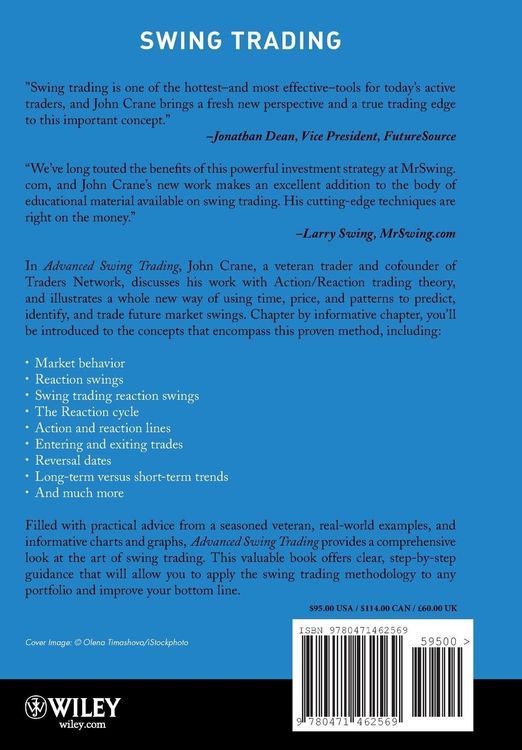
John Crane
Advanced Swing TradingBuch
83,99 €
-
The Day Trader's Course von Lewis Borsellino

Lewis Borsellino
The Day Trader's CourseeBook
61,99 €
-
The Value Connection von Marc H. Gerstein

Marc H. Gerstein
The Value ConnectioneBook
44,99 €
-
A Short Course in Technical Trading von Perry J. Kaufman
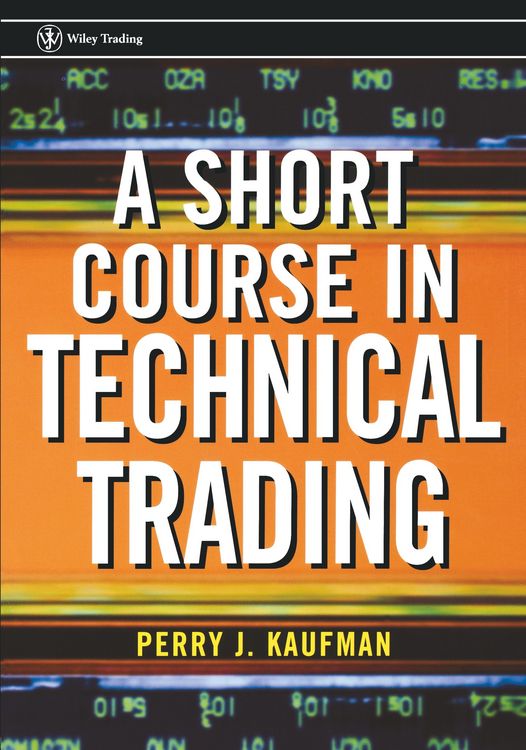
Perry J. Kaufman
A Short Course in Technical TradingBuch
52,99 €
-
Applying Elliot Wave Theory Profitably von Steven W. Poser

Steven W. Poser
Applying Elliot Wave Theory ProfitablyBuch
96,99 €
-
Steidlmayer on Markets von J. Peter Steidlmayer
 - 15%
- 15%J. Peter Steidlmayer
Steidlmayer on MarketsBuch
85,99 €
102,00 €* -
The Volatility Course von George A. Fontanills
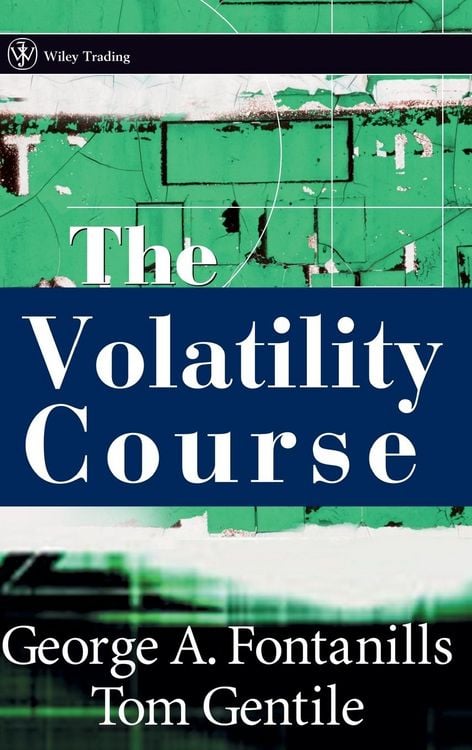
George A. Fontanills
The Volatility CourseBuch
55,99 €
-
Bear Market Investing Strategies von Harry D. Schultz

Harry D. Schultz
Bear Market Investing StrategiesBuch
97,99 €
Unsere Kundinnen und Kunden meinen
Verfassen Sie die erste Bewertung zu diesem Artikel
Helfen Sie anderen Kund*innen durch Ihre Meinung
Kurze Frage zu unserer Seite
Vielen Dank für dein Feedback
Wir nutzen dein Feedback, um unsere Produktseiten zu verbessern. Bitte habe Verständnis, dass wir dir keine Rückmeldung geben können. Falls du Kontakt mit uns aufnehmen möchtest, kannst du dich aber gerne an unseren Kund*innenservice wenden.
zum Kundenservice